Mlalo Coffee Community - Erfahrungsaustausch am Kilimandscharo
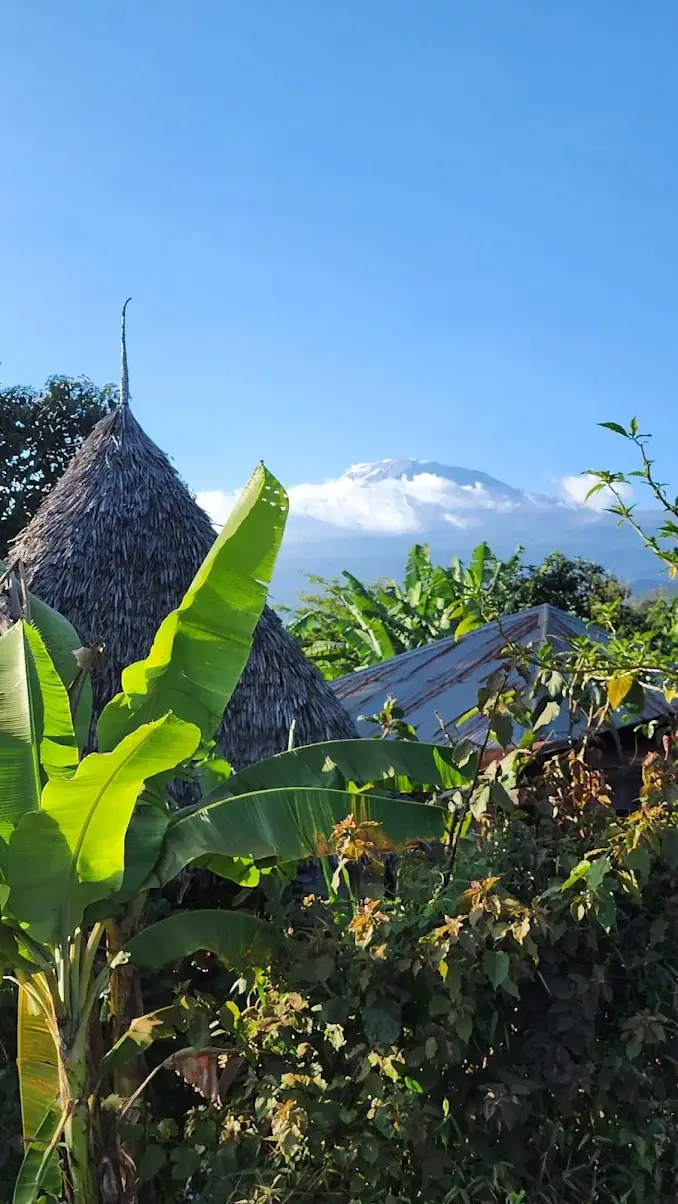
Der Aufbau einer starken Coffee Community bedeutet nicht nur, eigene Setzlinge zu pflanzen und Anbauflächen zu entwickeln. Ebenso wichtig ist es, von den Erfahrungen anderer zu lernen, neue Perspektiven kennenzulernen und erfolgreiche Ansätze aus anderen Regionen zu verstehen. Aus diesem Grund führte ein weiterer Schritt der Mlalo Coffee Community an die Hänge des Kilimandscharo.
Ziel des Besuchs war es, wertvolle Einblicke in bestehende Kaffeeprojekte zu gewinnen und Ideen zu sammeln, die langfristig auch in Mlalo umgesetzt werden können. Dabei standen zwei besondere Orte im Mittelpunkt: die Kaffeeplantagen von Materuni sowie die Chagga Caves und die traditionelle Kaffeeverarbeitung in Marangu.
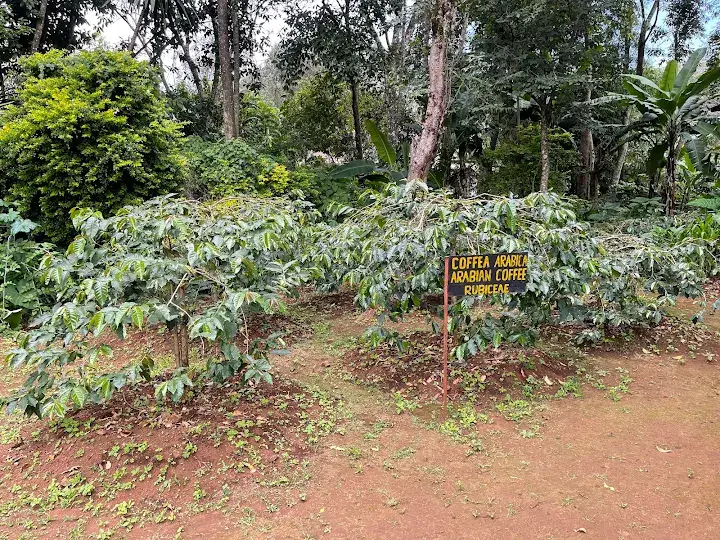
Materuni – Kaffee, Natur und Gemeinschaft
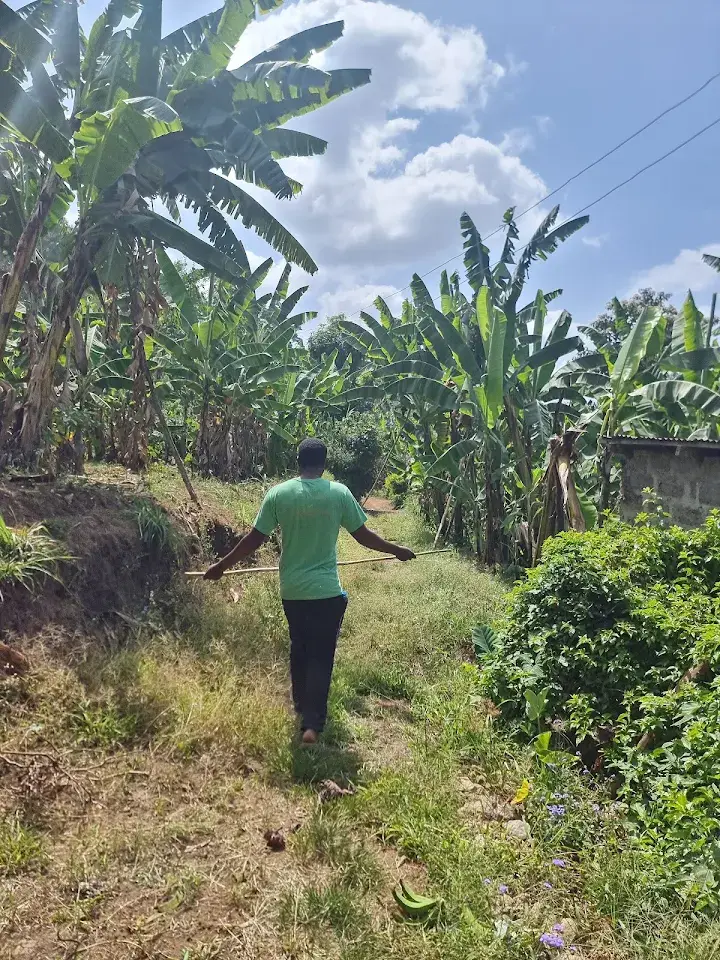
Am Fuße des Kilimandscharo liegt das Dorf Materuni, das weit über die Grenzen Tansanias hinaus für seinen Kaffee bekannt ist. Hier zeigt sich eindrucksvoll, wie Kaffeeanbau, Tourismus und Gemeinschaft miteinander verbunden werden können.
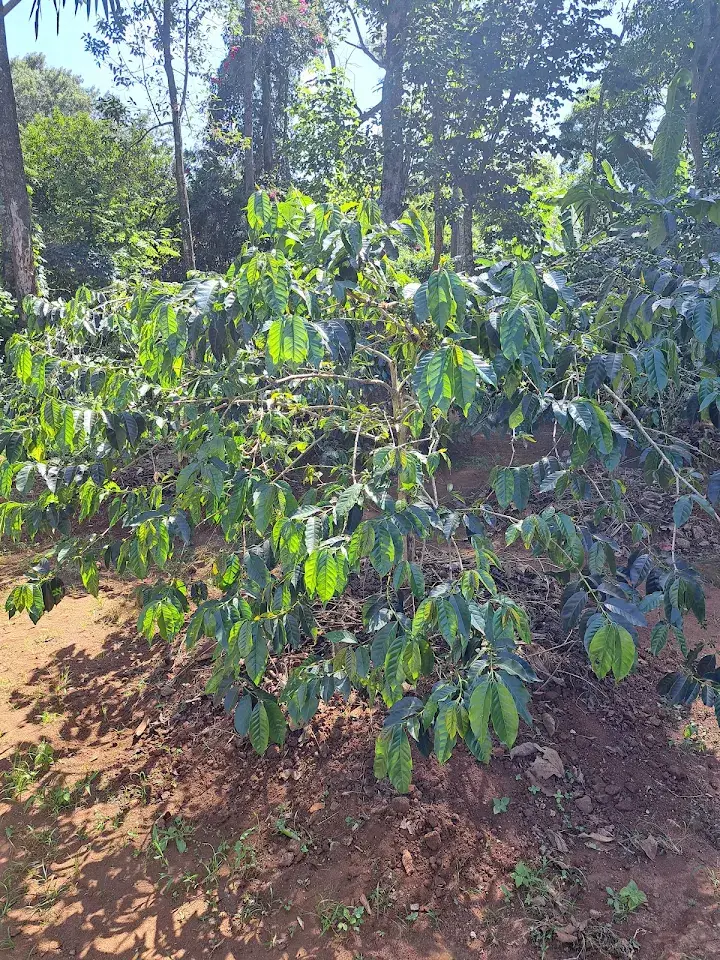
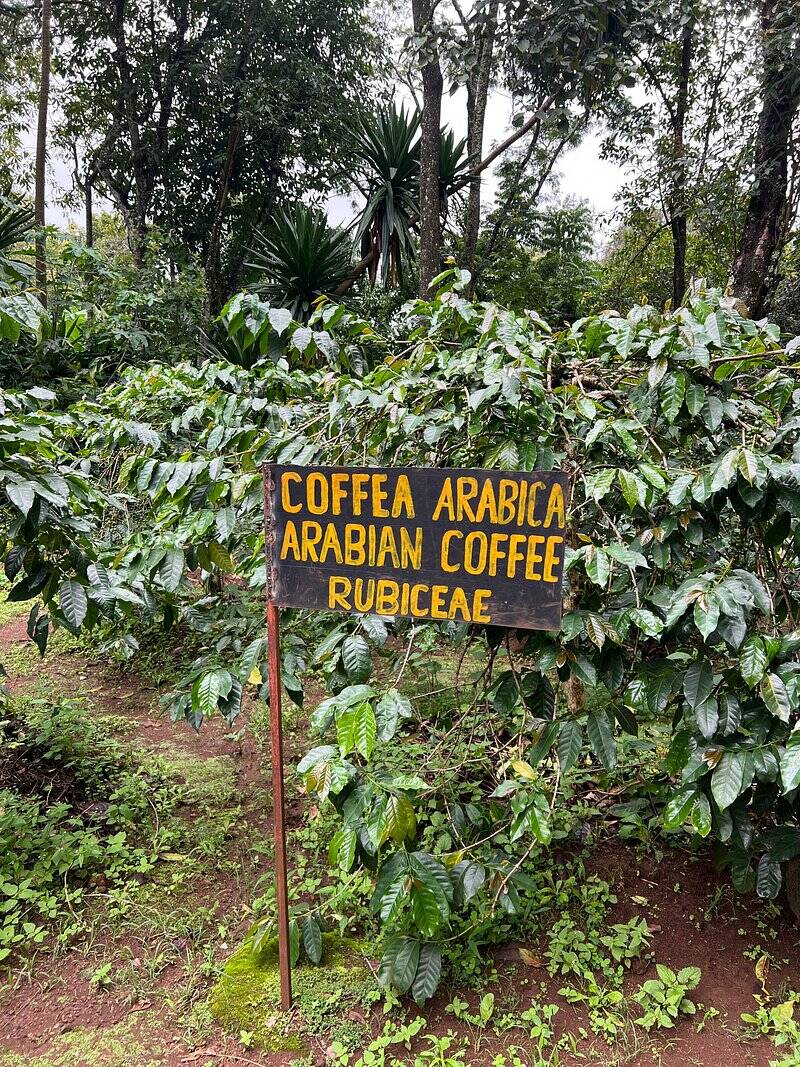
Die Kaffeeplantagen erstrecken sich entlang der grünen Berghänge und profitieren von den hervorragenden klimatischen Bedingungen der Region. Doch was Materuni besonders macht, ist nicht allein die Qualität des Kaffees. Vielmehr ist es die Art und Weise, wie Besucher in den gesamten Prozess eingebunden werden.
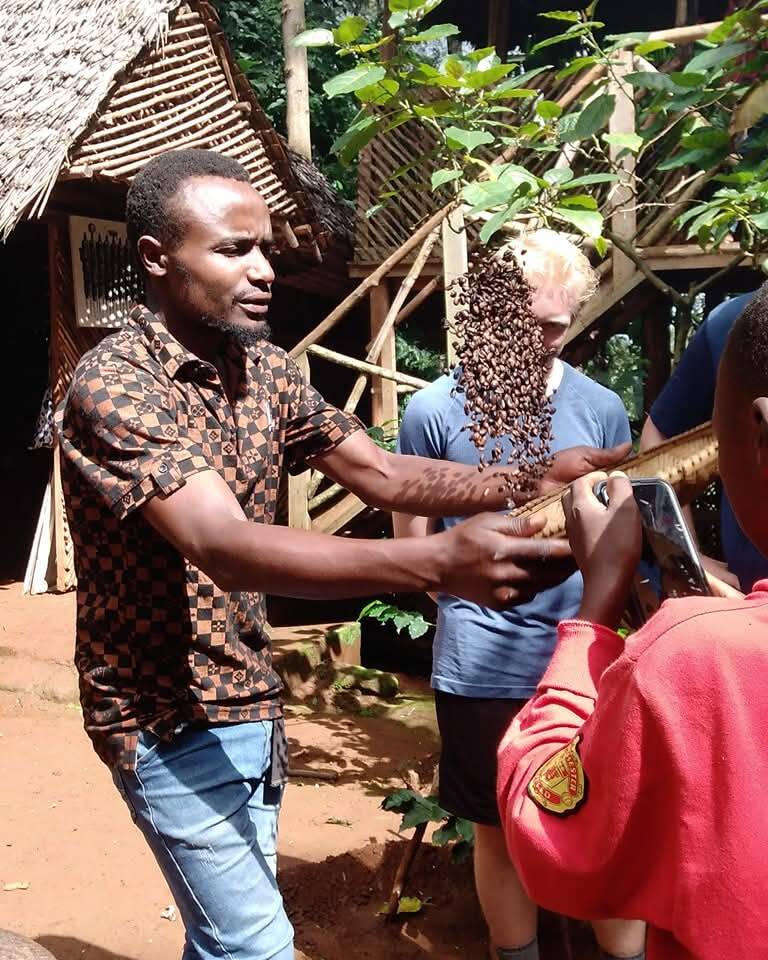
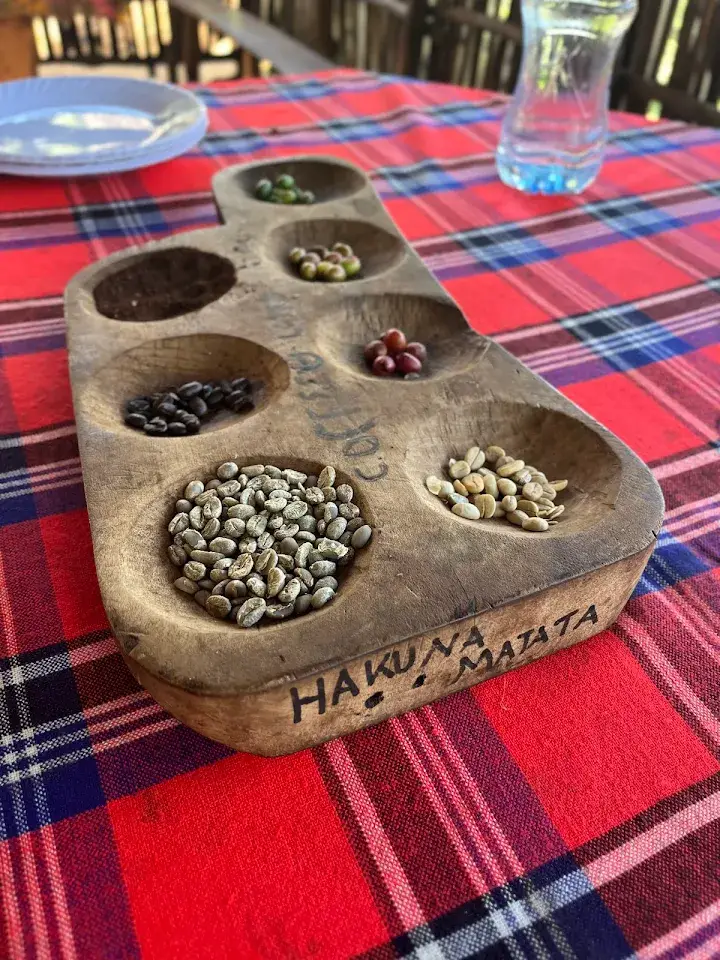
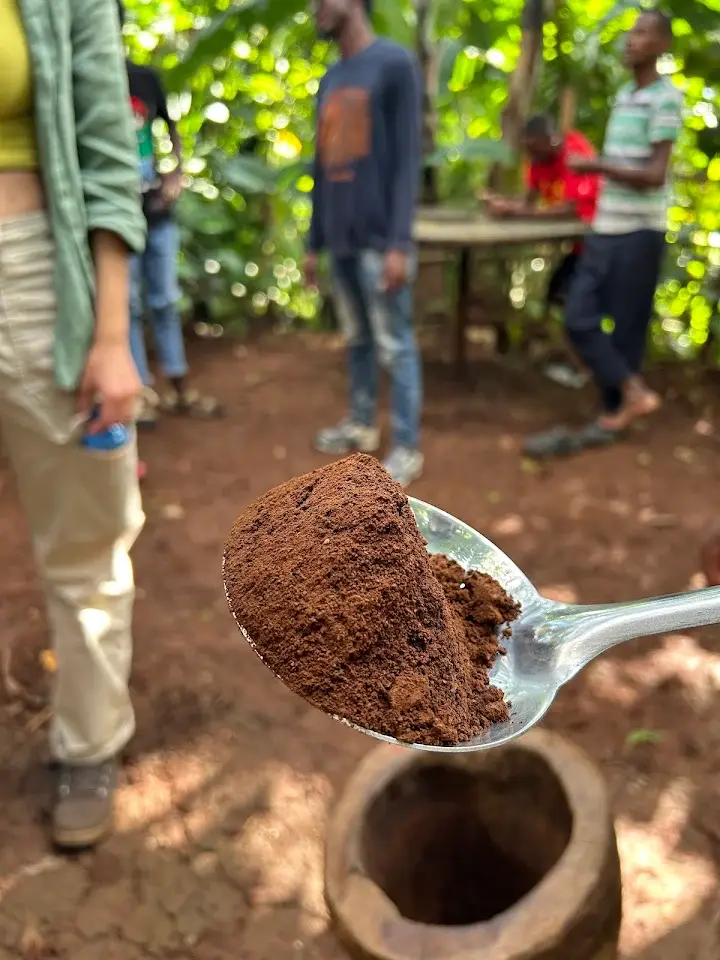
Von der Kaffeekirsche bis zur fertigen Tasse erhalten Gäste einen direkten Einblick in alle Arbeitsschritte. Dabei wird deutlich, wie viel Wissen, Geduld und Handarbeit hinter jeder Ernte steckt.
Für die Mlalo Coffee Community war dieser Besuch eine wichtige Inspiration. Er zeigte, dass Kaffee weit mehr sein kann als ein landwirtschaftliches Produkt. Kaffee kann Menschen zusammenbringen, Geschichten erzählen und neue wirtschaftliche Möglichkeiten schaffen.
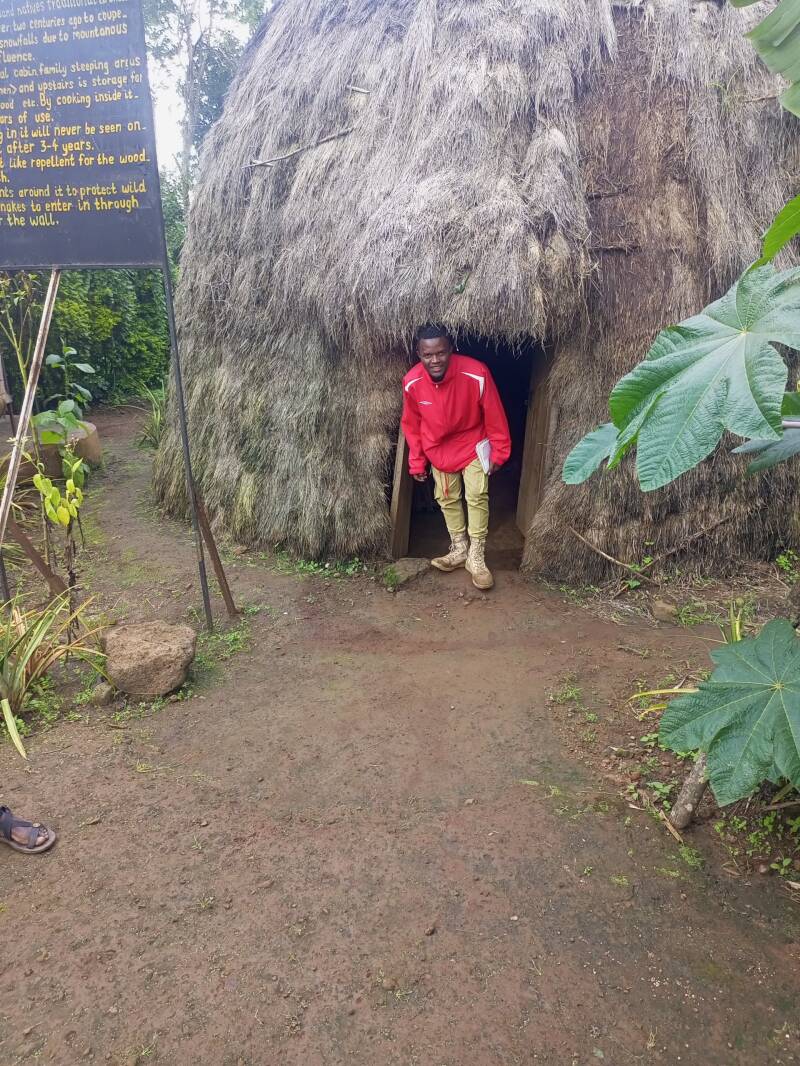
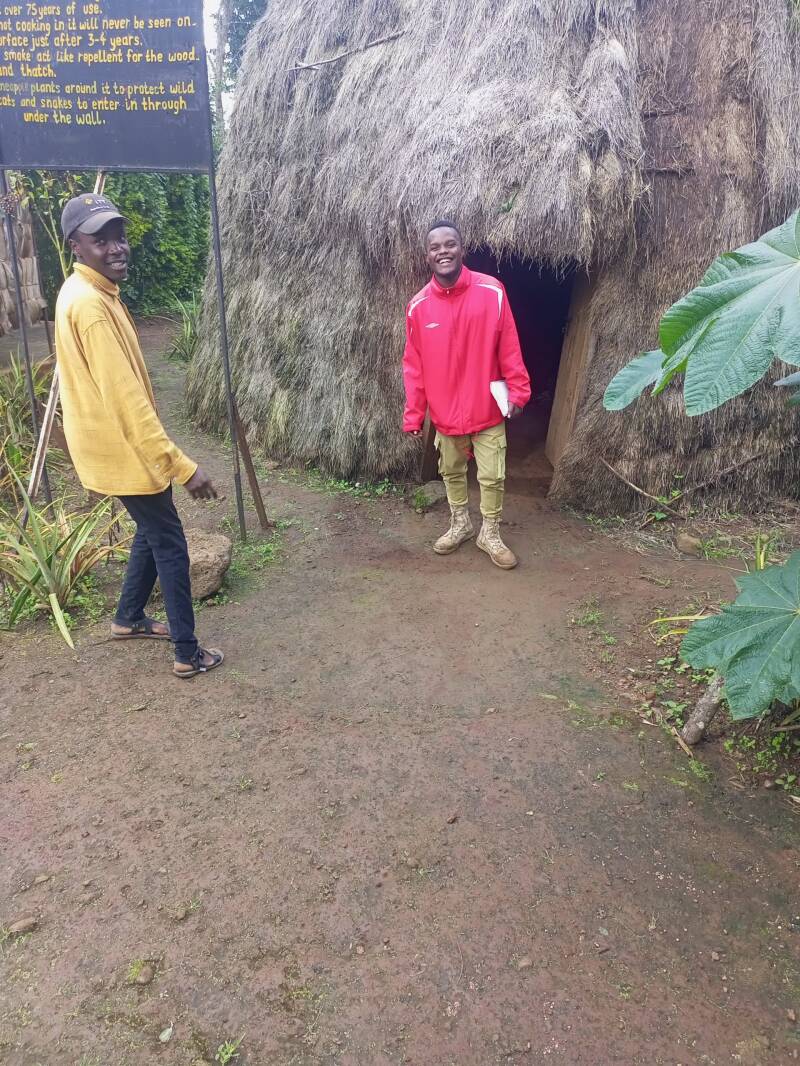
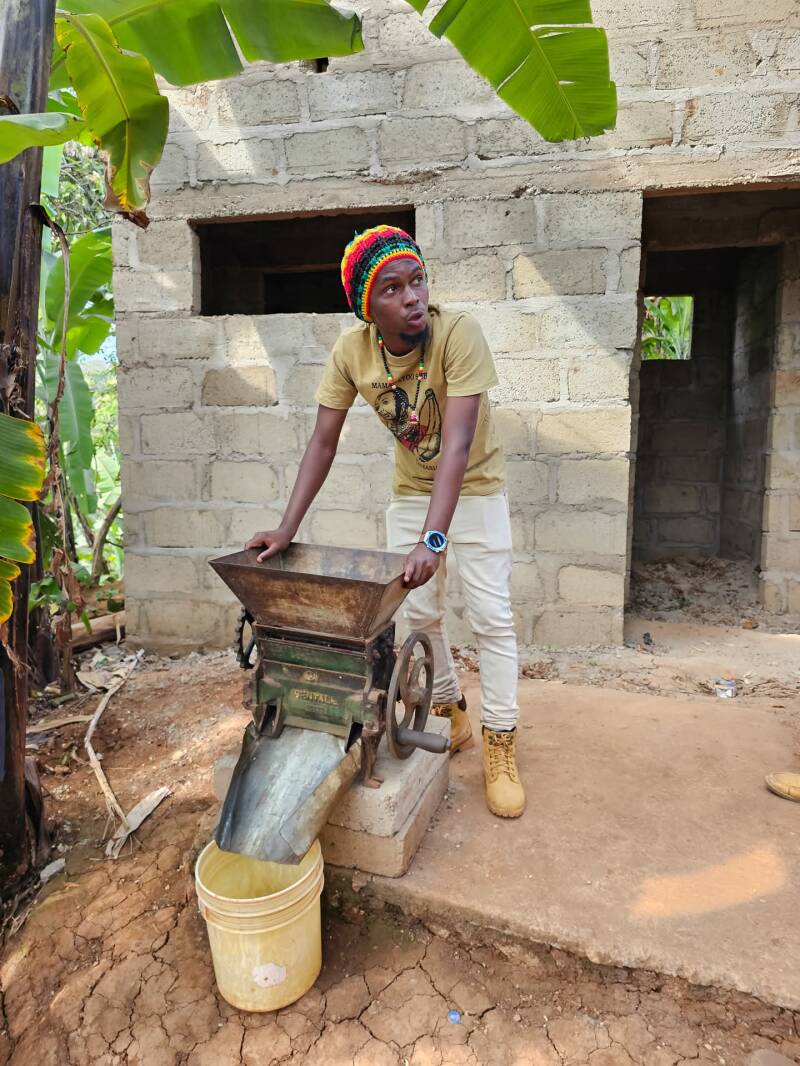
Marangu – Wo Tradition lebendig bleibt
Ein weiterer wichtiger Halt führte nach Marangu. Die Region ist bekannt für ihre reiche Kulturgeschichte und die sogenannten Chagga Caves, ein historisches Höhlensystem, das von den Chagga über Generationen genutzt wurde.
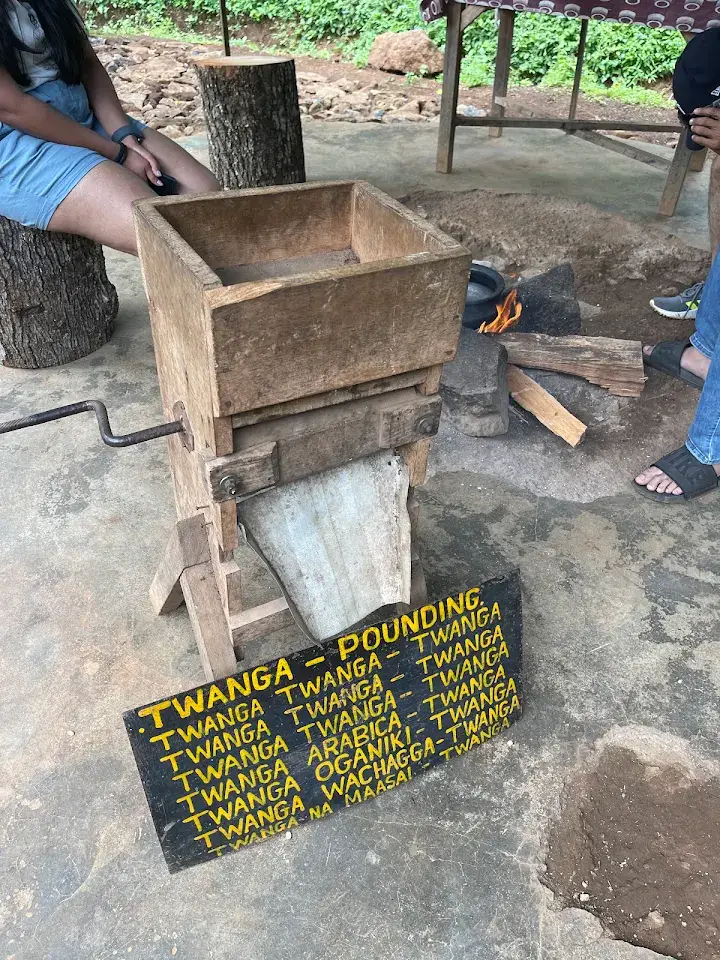
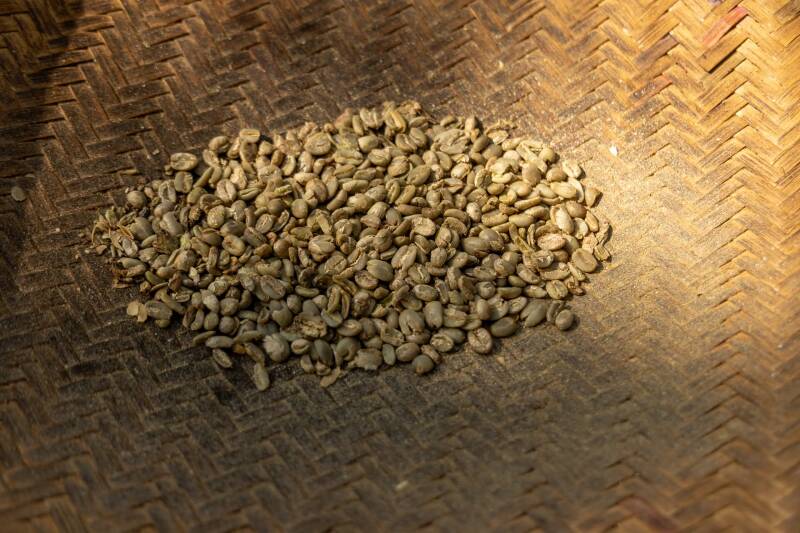
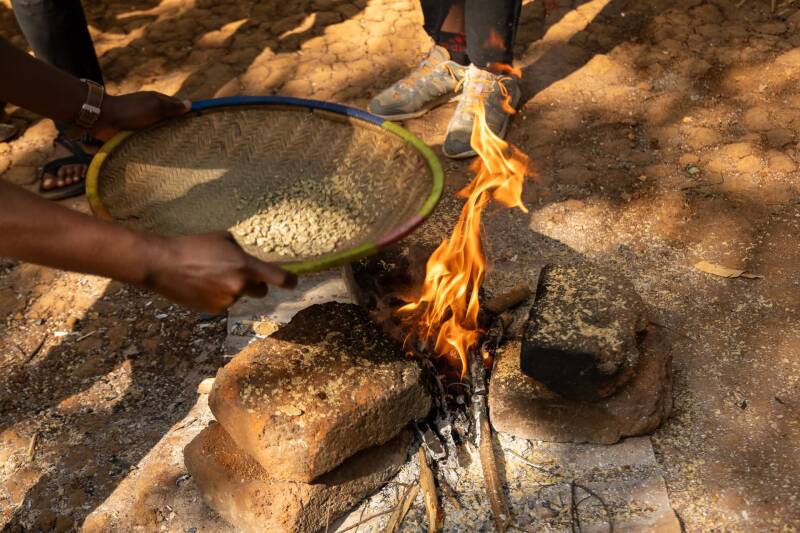
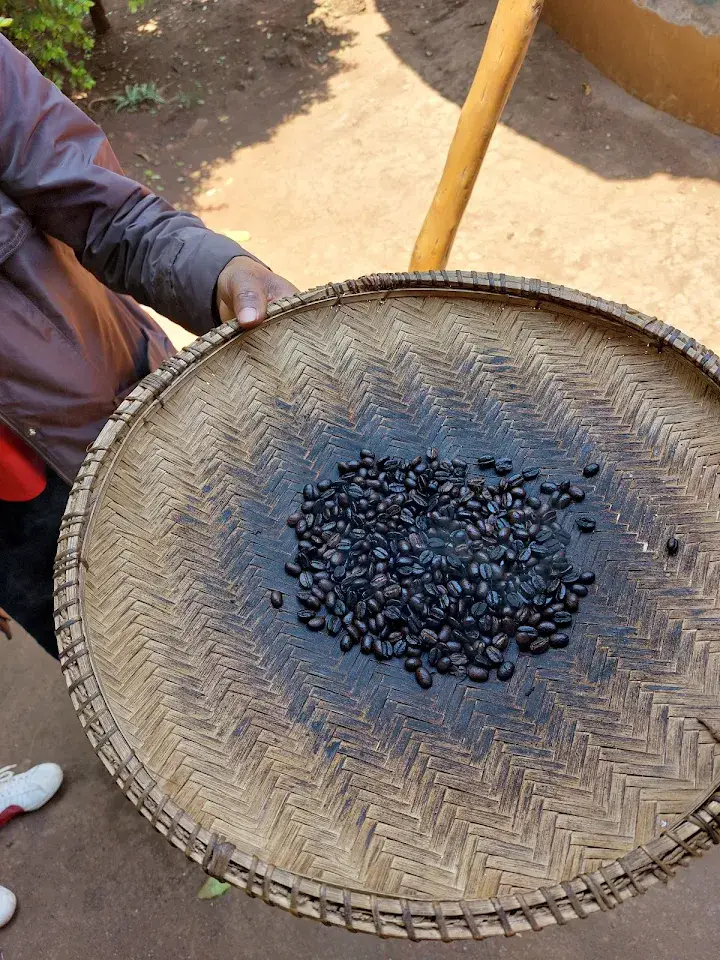
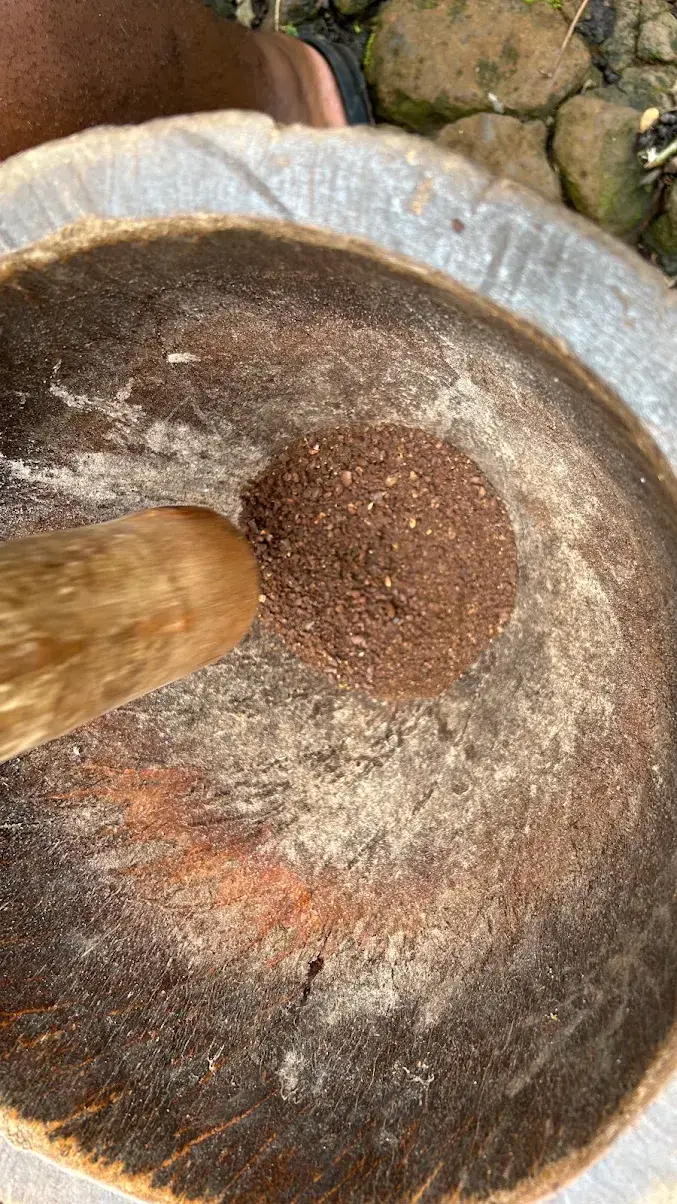
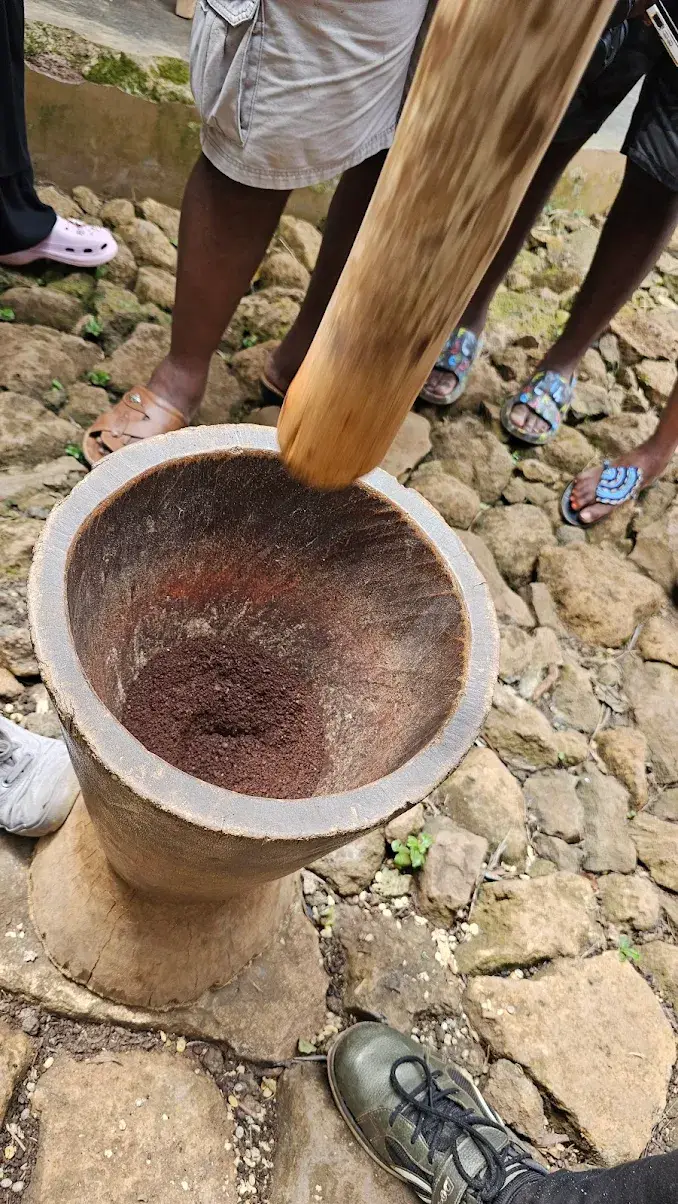
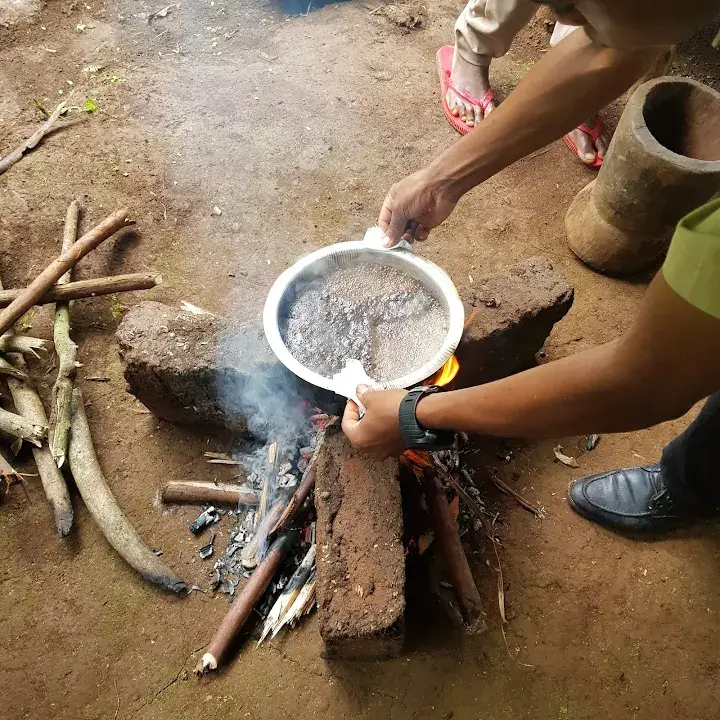
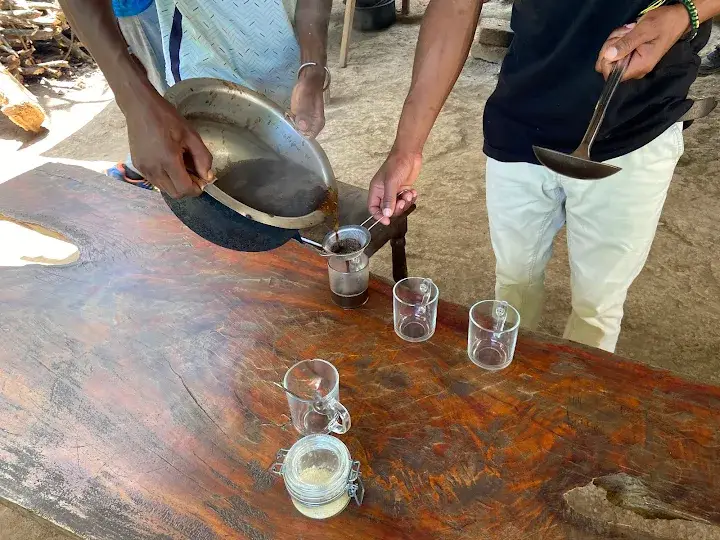
Neben der kulturellen Bedeutung bot der Besuch auch wertvolle Einblicke in die traditionelle Kaffeeverarbeitung. Hier wird deutlich, wie eng Kaffee mit der Geschichte und Identität der Menschen verbunden ist.
Besonders beeindruckend war die Art, wie Wissen von Generation zu Generation weitergegeben wird. Viele Arbeitsschritte werden noch heute auf traditionelle Weise durchgeführt. Die Verarbeitung des Kaffees wird dabei nicht nur als Arbeit verstanden, sondern als Teil eines kulturellen Erbes.
Für die Mlalo Coffee Community war dies eine wichtige Erkenntnis. Die Zukunft des Kaffeeanbaus liegt nicht allein in modernen Methoden, sondern auch darin, lokales Wissen und kulturelle Traditionen zu bewahren.
Was Mlalo lernen kann
Die Besuche in Materuni und Marangu haben deutlich gemacht, dass erfolgreiche Kaffeeprojekte auf mehreren Säulen beruhen.
An erster Stelle stehen natürlich gesunde Kaffeepflanzen und eine nachhaltige Bewirtschaftung der Anbauflächen. Ebenso wichtig sind jedoch Gemeinschaft, Bildung, Wissensaustausch und die Fähigkeit, Menschen für die eigene Geschichte zu begeistern.
Die Mlalo Coffee Community befindet sich noch am Anfang ihrer Entwicklung. Die ersten Arabica-Setzlinge wachsen auf der Mlalo Majomboi Coffee Farm, während die Gemeinschaft Schritt für Schritt größer wird. Die Erfahrungen vom Kilimandscharo zeigen jedoch, welches Potenzial langfristig entstehen kann.
Vielleicht wird auch Mlalo eines Tages nicht nur für seinen Kaffee bekannt sein, sondern ebenso für die Menschen, die Geschichten und die Gemeinschaft, die dahinterstehen.
Wissen teilen, Zukunft gestalten
Ein zentrales Ziel der Mlalo Coffee Community ist es, Erfahrungen zu sammeln und dieses Wissen mit anderen zu teilen. Jeder Besuch auf einer Farm, jedes Gespräch mit Kaffeebauern und jede neue Idee trägt dazu bei, das Projekt weiterzuentwickeln.
Der Austausch mit erfahrenen Produzenten rund um den Kilimandscharo hat gezeigt, dass erfolgreiche Projekte selten allein entstehen. Sie wachsen durch Zusammenarbeit, gegenseitige Unterstützung und die Bereitschaft, voneinander zu lernen.
Genau diese Werte sollen auch die Zukunft der Mlalo Coffee Community prägen.
Gemeinsam weiter wachsen
Während die jungen Arabica-Setzlinge in Mlalo ihre ersten Wurzeln schlagen, wächst gleichzeitig das Wissen, auf dem die Zukunft des Projekts aufgebaut werden kann.
Die Eindrücke aus Materuni und Marangu werden dabei helfen, neue Ideen zu entwickeln und langfristige Perspektiven für die Community zu schaffen. Jede Erfahrung, die gesammelt wird, ist eine Investition in die Zukunft der Farm und der Menschen, die sie tragen.
Wer die Mlalo Coffee Community unterstützt, unterstützt deshalb nicht nur den Anbau von Kaffee. Er unterstützt den Austausch von Wissen, die Entwicklung neuer Chancen und die Vision einer Gemeinschaft, die gemeinsam wächst.
Denn manchmal beginnt Fortschritt nicht auf dem eigenen Feld, sondern dort, wo man bereit ist, über den Tellerrand hinauszuschauen.
🇬🇧Looking Beyond the Coffee Fields – Learning from Experience
Mlalo Coffee Community – Knowledge Exchange at Mount Kilimanjaro
Building a strong coffee community is not only about planting seedlings and developing coffee plots. Equally important is learning from the experiences of others, discovering new perspectives, and understanding successful approaches from different regions. For this reason, another step in the journey of the Mlalo Coffee Community led to the slopes of Mount Kilimanjaro.
The purpose of the visit was to gain valuable insights from established coffee projects and gather ideas that may one day be adapted and implemented in Mlalo. Two special destinations were at the center of this learning experience: the coffee plantations of Materuni and the Chagga Caves and traditional coffee processing sites in Marangu.
Materuni – Coffee, Nature, and Community
Nestled on the foothills of Mount Kilimanjaro, the village of Materuni is well known for its coffee and has become a popular destination for visitors from around the world. It offers an inspiring example of how coffee farming, tourism, and community development can work hand in hand.
The coffee plantations stretch across the lush mountain slopes and benefit from the excellent growing conditions of the region. However, what makes Materuni truly special is not only the quality of its coffee but also the way visitors are involved in the entire process.
From the coffee cherry to the final cup, guests are introduced to every stage of production. The experience demonstrates how much knowledge, patience, and manual labor are required to produce high-quality coffee.
For the Mlalo Coffee Community, this visit provided valuable inspiration. It showed that coffee can be much more than an agricultural product. Coffee can bring people together, tell stories, and create new economic opportunities for local communities.
Marangu – Where Tradition Lives On
Another important stop was Marangu, a region known for its rich cultural heritage and the famous Chagga Caves, a historic underground network used by the Chagga people for generations.
Beyond its cultural significance, the visit offered valuable insights into traditional coffee processing methods. Here it becomes clear how deeply coffee is connected to the history, identity, and daily life of the local people.
Particularly impressive was the way knowledge continues to be passed down from one generation to the next. Many processing techniques are still practiced in traditional ways today. Coffee production is not viewed merely as work, but as part of a living cultural heritage.
For the Mlalo Coffee Community, this was an important lesson. The future of coffee farming does not depend solely on modern techniques but also on preserving local knowledge, traditions, and cultural identity.
What Mlalo Can Learn
The visits to Materuni and Marangu highlighted that successful coffee projects are built on several important foundations.
Healthy coffee plants and sustainable farming practices are naturally essential. However, community involvement, education, knowledge sharing, and the ability to connect people with a shared story are equally important.
The Mlalo Coffee Community is still at the beginning of its journey. The first Arabica seedlings are growing on the Mlalo Majomboi Coffee Farm, while the community itself continues to develop step by step. The experiences gained around Mount Kilimanjaro demonstrate the long-term potential that can emerge from such efforts.
Perhaps one day Mlalo will be known not only for its coffee but also for the people, stories, and sense of community behind it.
Sharing Knowledge, Building the Future
One of the central goals of the Mlalo Coffee Community is to gather experience and share knowledge with others. Every farm visit, every conversation with coffee farmers, and every new idea contributes to the growth and development of the project.
The exchange with experienced coffee producers around Mount Kilimanjaro demonstrated that successful projects rarely grow in isolation. They thrive through cooperation, mutual support, and a willingness to learn from one another.
These are the same values that will guide the future of the Mlalo Coffee Community.
Growing Together
While the young Arabica seedlings in Mlalo continue to establish their roots, the knowledge needed to support the future of the project is growing as well.
The experiences gained in Materuni and Marangu will help inspire new ideas and create long-term opportunities for the community. Every lesson learned is an investment in the future of the farm and the people who support it.
Those who support the Mlalo Coffee Community are supporting much more than coffee cultivation. They are supporting the exchange of knowledge, the creation of new opportunities, and the vision of a community growing together.
Because sometimes progress does not begin in your own field—it begins when you are willing to look beyond it.
Kommentar hinzufügen
Kommentare