Von Hohenfriedeberg zu Mlalo: Eine Region zwischen Geschichte und Aufbruch
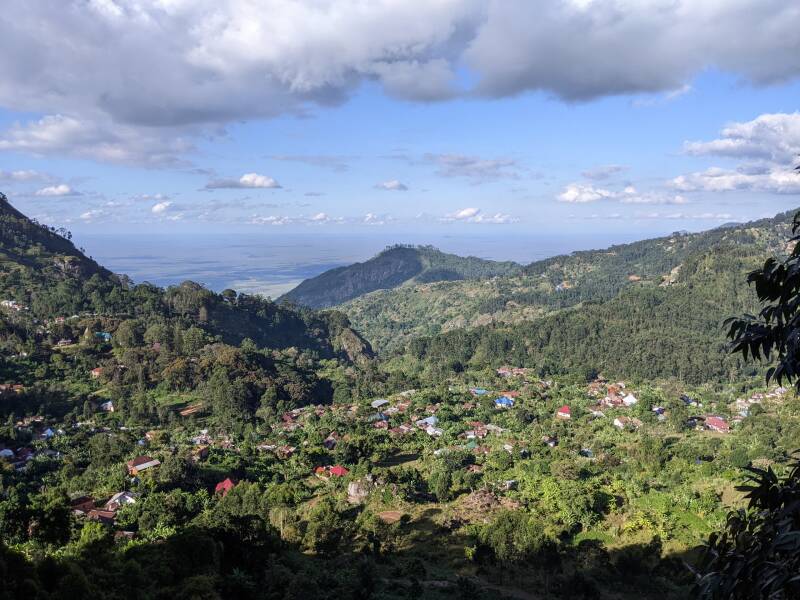
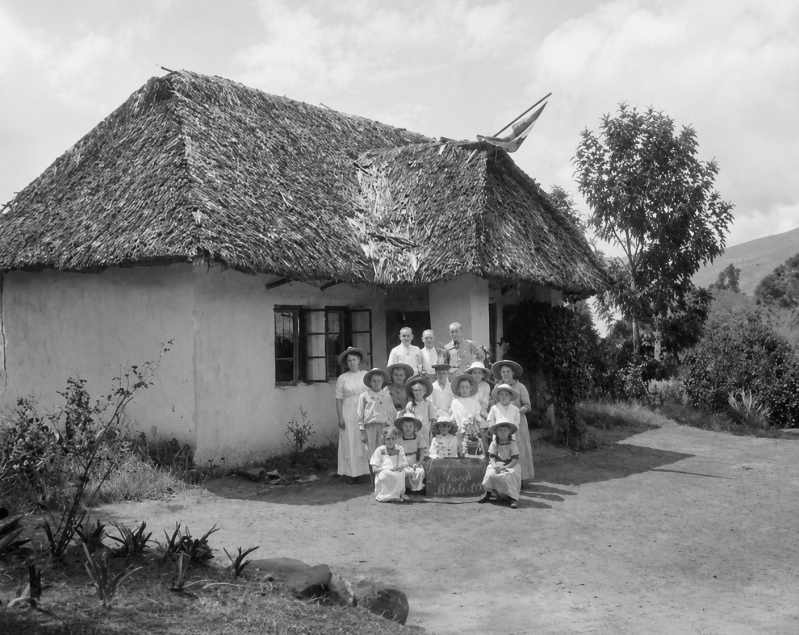
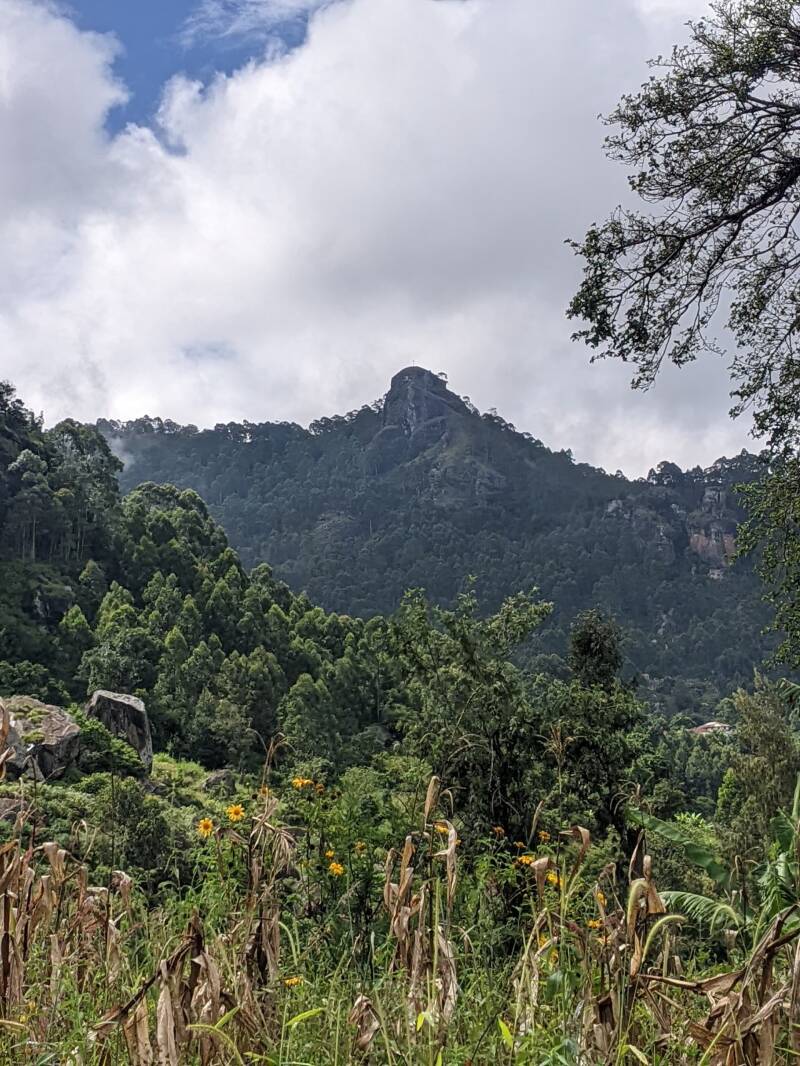
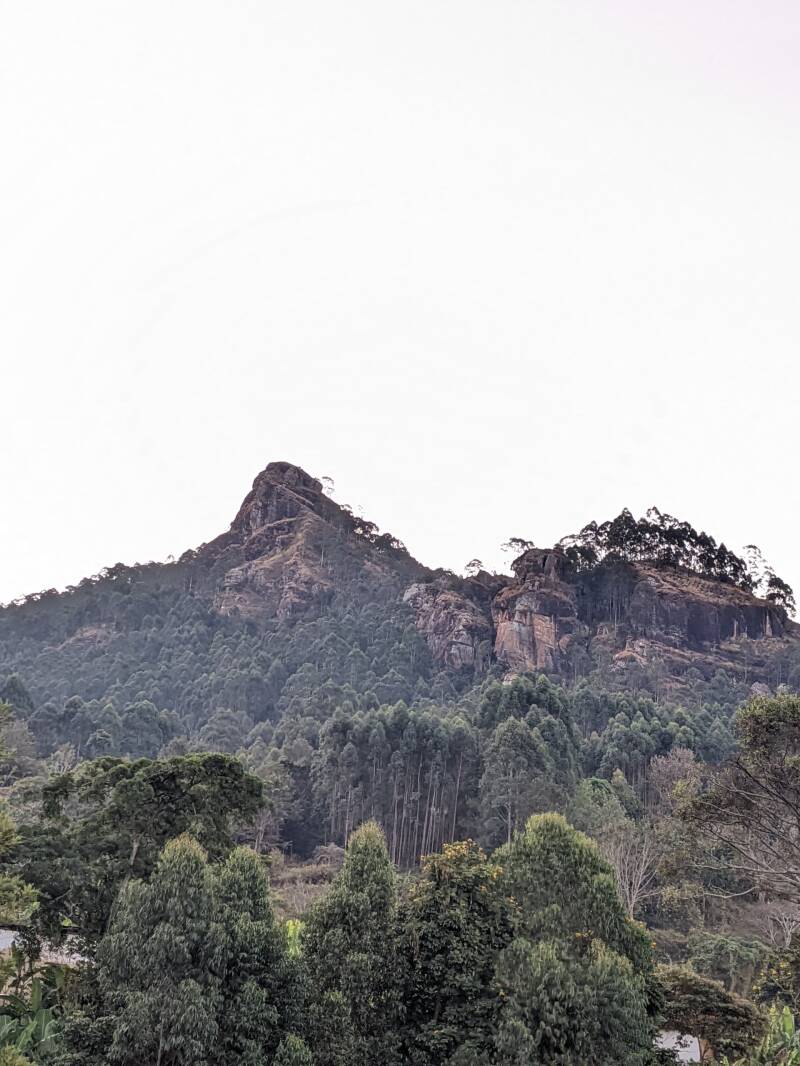
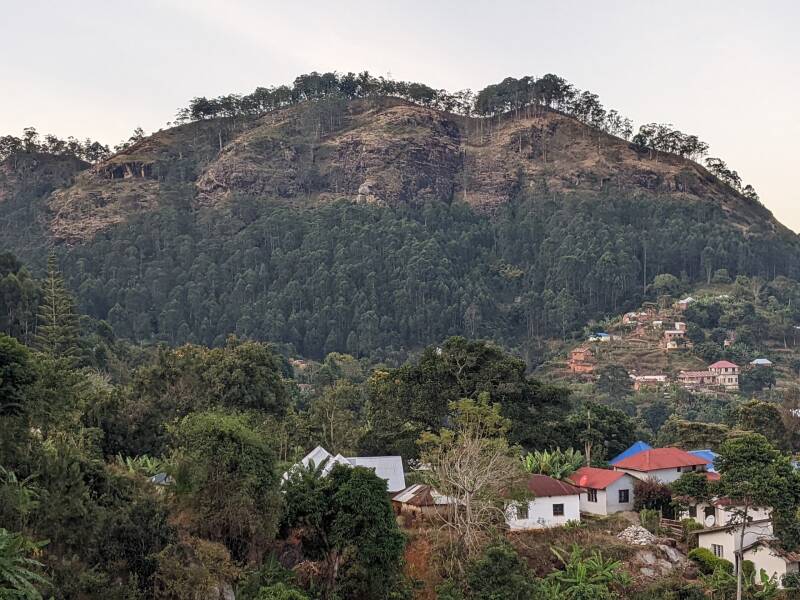
Mlalo ist eine traditionsreiche Ortschaft in den westlichen Usambarabergen im Nordosten Tansanias. Heute gilt Mlalo als kulturelles und historisches Zentrum der Shambaa-Gesellschaft sowie als wichtiger Ort der Missionsgeschichte Ostafrikas. Während der deutschen Kolonialzeit trug der Ort den Namen „Hohenfriedeberg“. Die Geschichte Mlalos ist geprägt von vorkolonialen Traditionen, kolonialem Einfluss, Missionierung, Wandel der Landwirtschaft und dem Versuch, eine moderne Zukunft mit kultureller Identität zu verbinden.
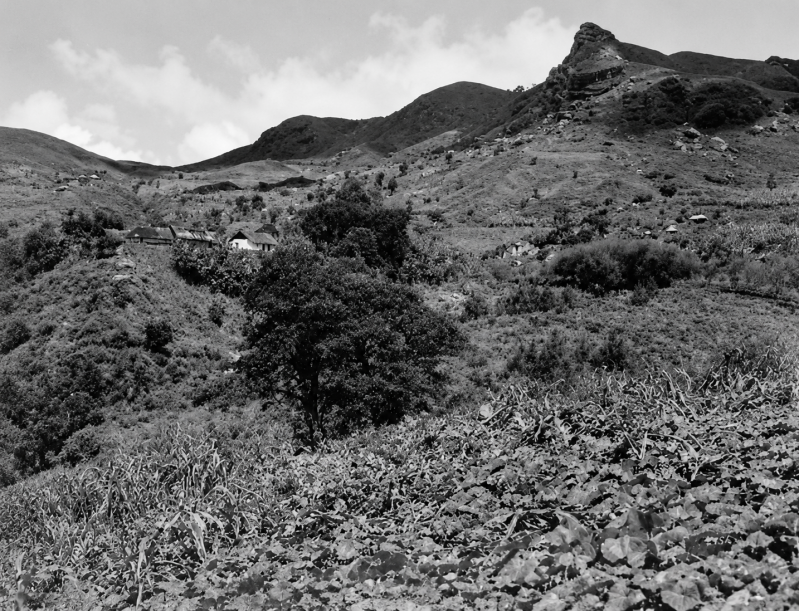
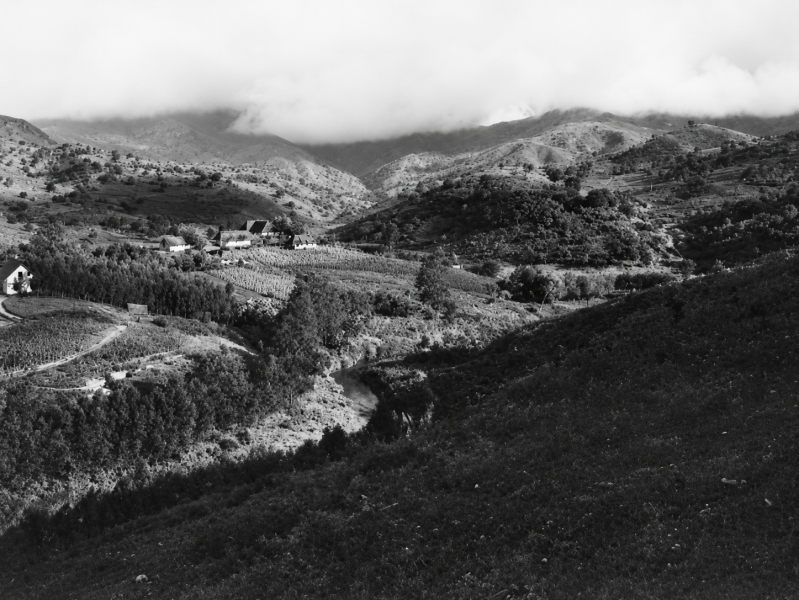
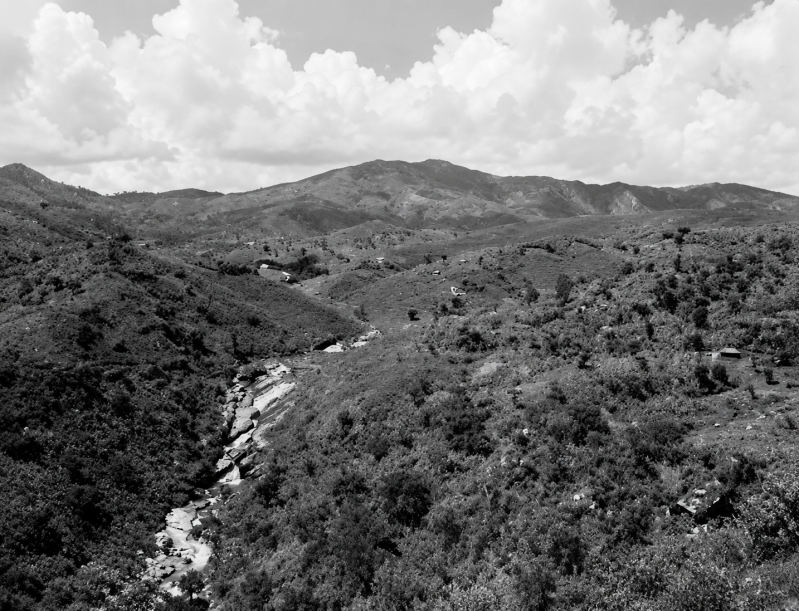
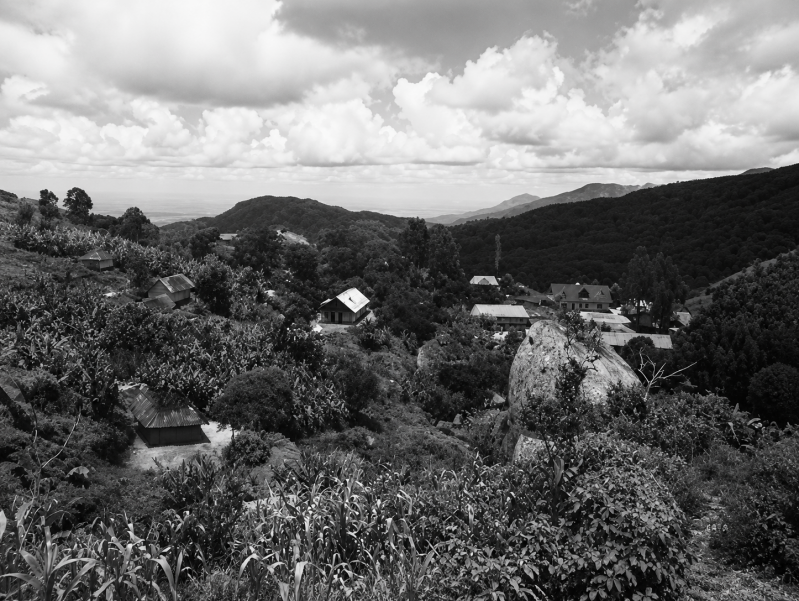
Mlalo vor der Kolonialzeit – bis etwa 1885
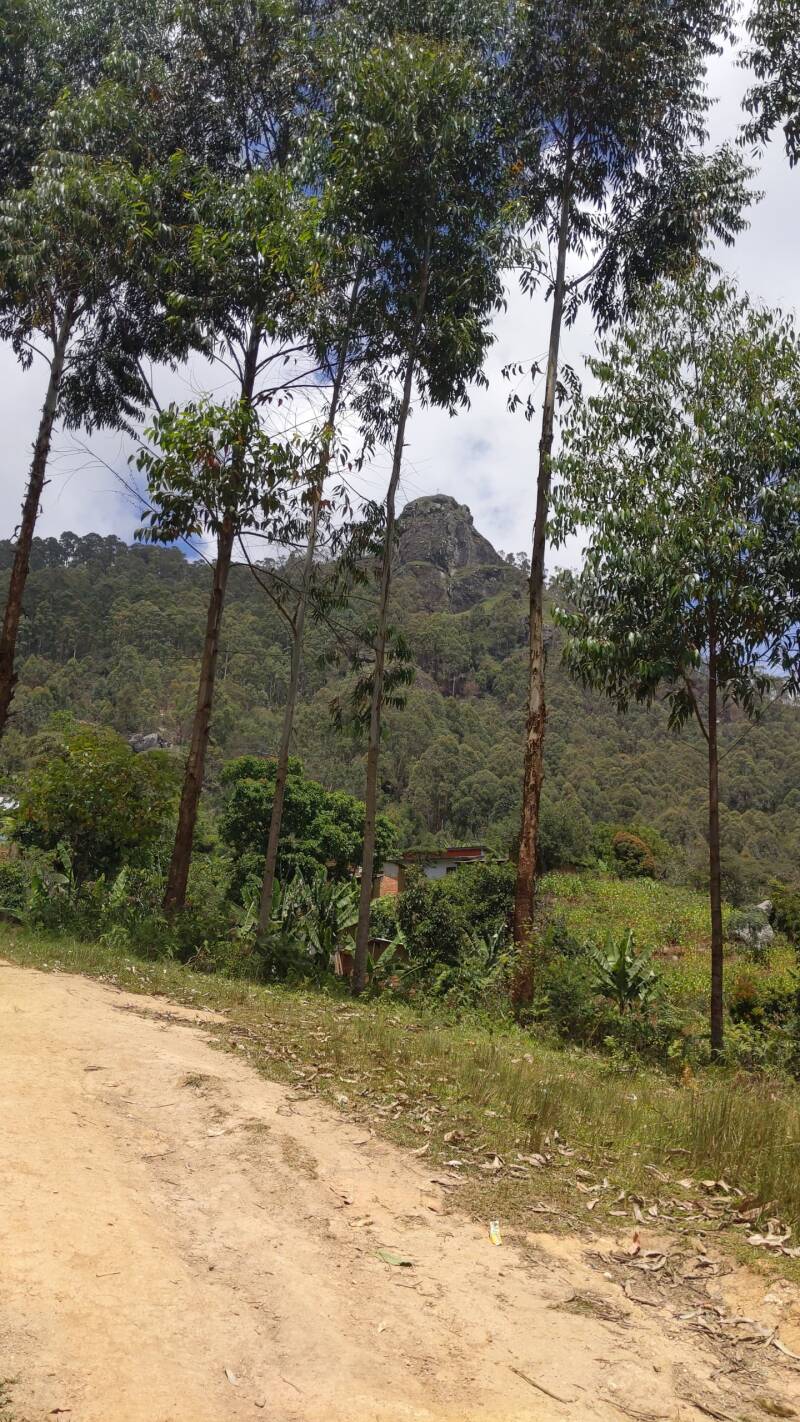
Schon lange bevor europäische Kolonialmächte nach Ostafrika kamen, war Mlalo ein bedeutendes Siedlungsgebiet der WaShambaa, eines Volkes der Shambaa-Kultur. Die fruchtbaren Böden der Usambaraberge und das vergleichsweise kühle Klima machten die Region zu einem wichtigen landwirtschaftlichen Zentrum. Die Menschen lebten überwiegend von Bananenanbau, Hirse, Bohnen, Viehzucht und lokalen Handelswegen.
Die Gesellschaft war stark traditionell organisiert. Lokale Häuptlinge und spirituelle Führer regelten politische und religiöse Angelegenheiten. Besonders wichtig waren Ahnenverehrung, Rituale und gemeinschaftliche Entscheidungen. Historische Orte wie Kitala galten als Zentren politischer Beratung und spiritueller Macht. Noch heute erinnern traditionelle Steinanlagen und Ritualhäuser an diese Zeit.
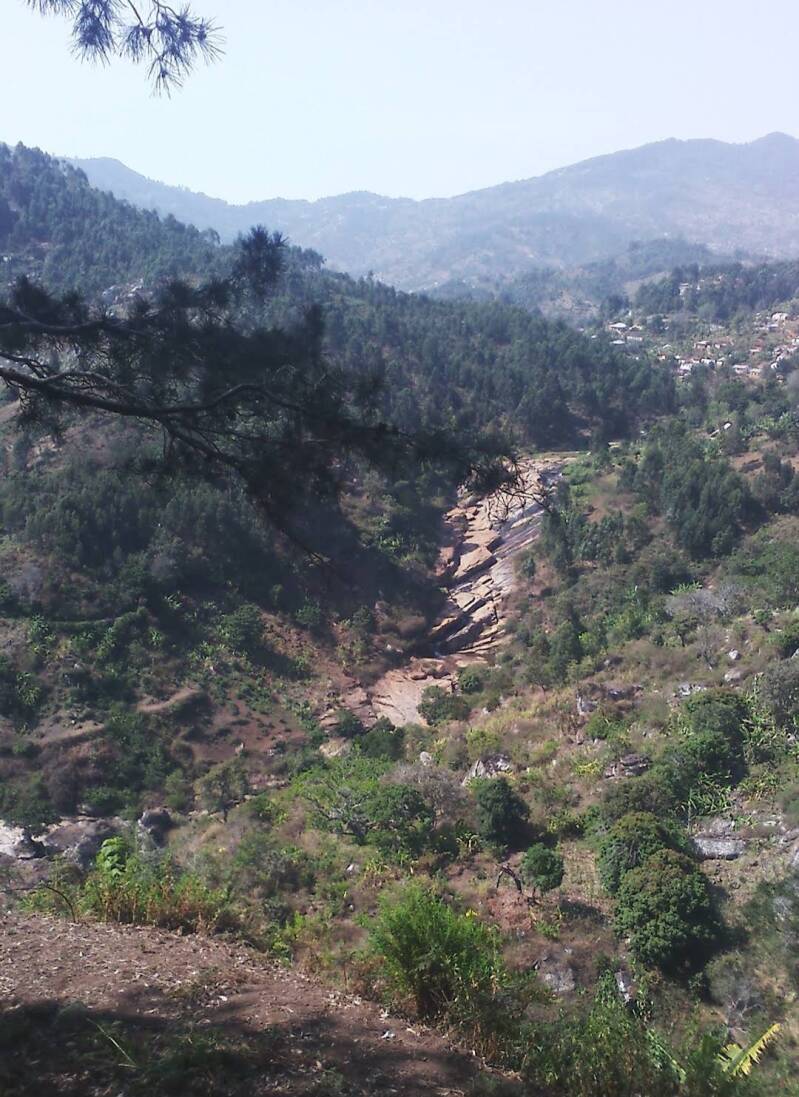
Die Region war durch Terrassenlandwirtschaft und komplexe Bewässerungssysteme geprägt. Schon vor der Kolonialzeit hatten die Bewohner gelernt, das steile Bergland nachhaltig zu nutzen. Diese Kenntnisse beeindruckten später auch europäische Forscher und Kolonialbeamte.
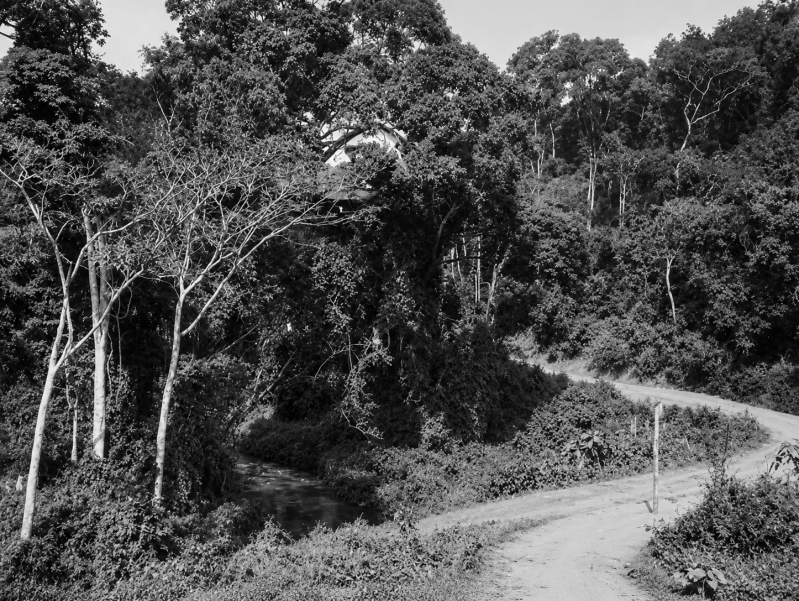
Deutsche Kolonialzeit – Hohenfriedeberg (1885–1918)
Mit der Gründung von Deutsch-Ostafrika begann für Mlalo eine neue Epoche. Die Deutschen interessierten sich besonders für die klimatisch angenehmen Hochlagen der Usambaraberge. Der Ort erhielt den deutschen Namen „Hohenfriedeberg“, angelehnt an die schlesische Stadt gleichen Namens.
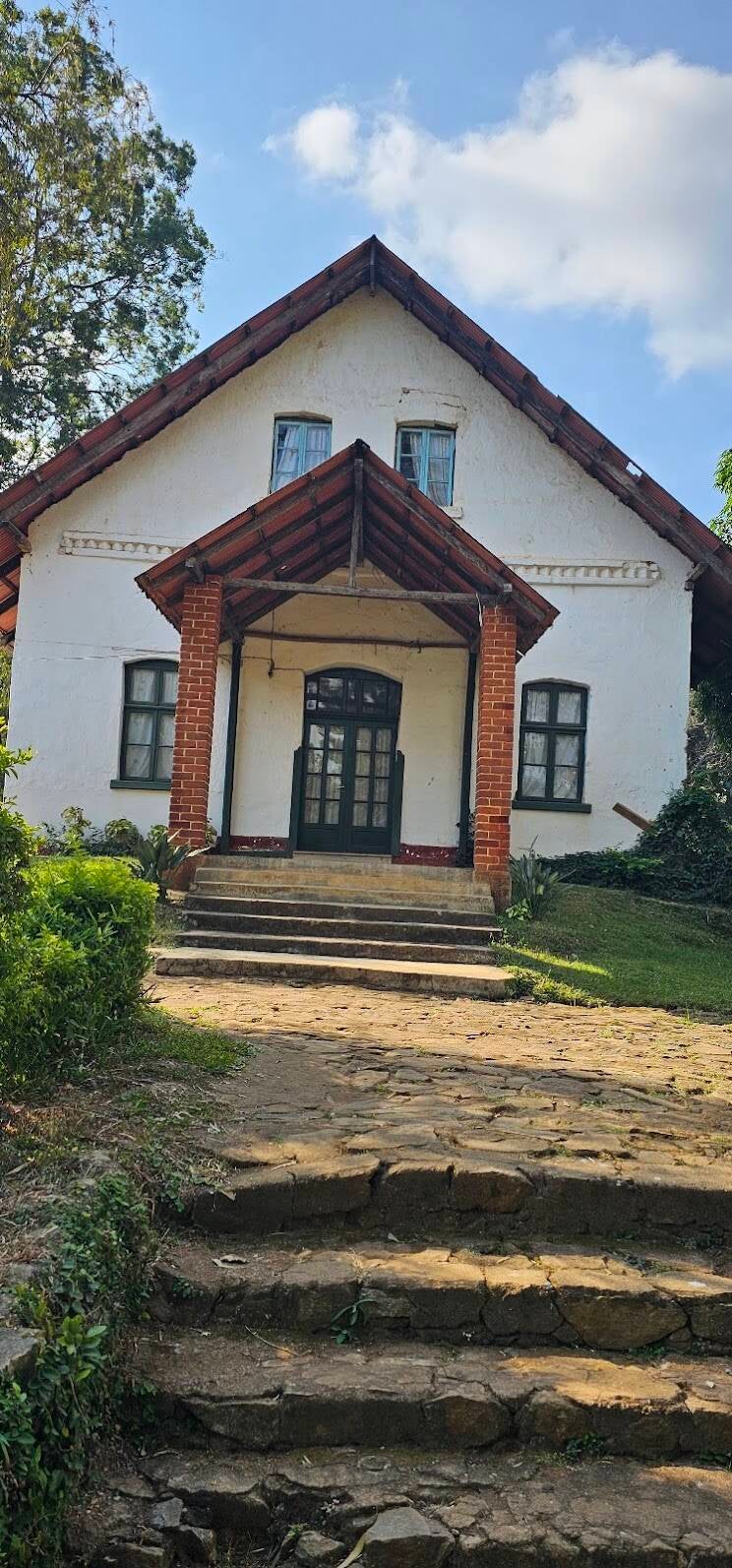
1891 gründeten die Missionare Ernst Johanssen und Paul Wohlrab dort die Missionsstation Hohenfriedeberg. Diese Station entwickelte sich schnell zu einem Zentrum christlicher Missionierung, Bildung und medizinischer Versorgung. Die Missionare wollten bewusst ohne militärischen Schutz arbeiten, um Vertrauen bei der lokalen Bevölkerung aufzubauen.
Mit der Mission kamen Schulen, Druckereien und erste medizinische Einrichtungen. Kinder lernten Lesen und Schreiben in Kiswahili und der Shambaa-Sprache. Bereits vor dem Ersten Weltkrieg wurden mehrere tausend Kinder in Missionsschulen unterrichtet. Gleichzeitig veränderte die Mission das gesellschaftliche Leben stark: Christentum, europäische Kleidung und neue Lebensweisen verdrängten teilweise traditionelle Rituale.
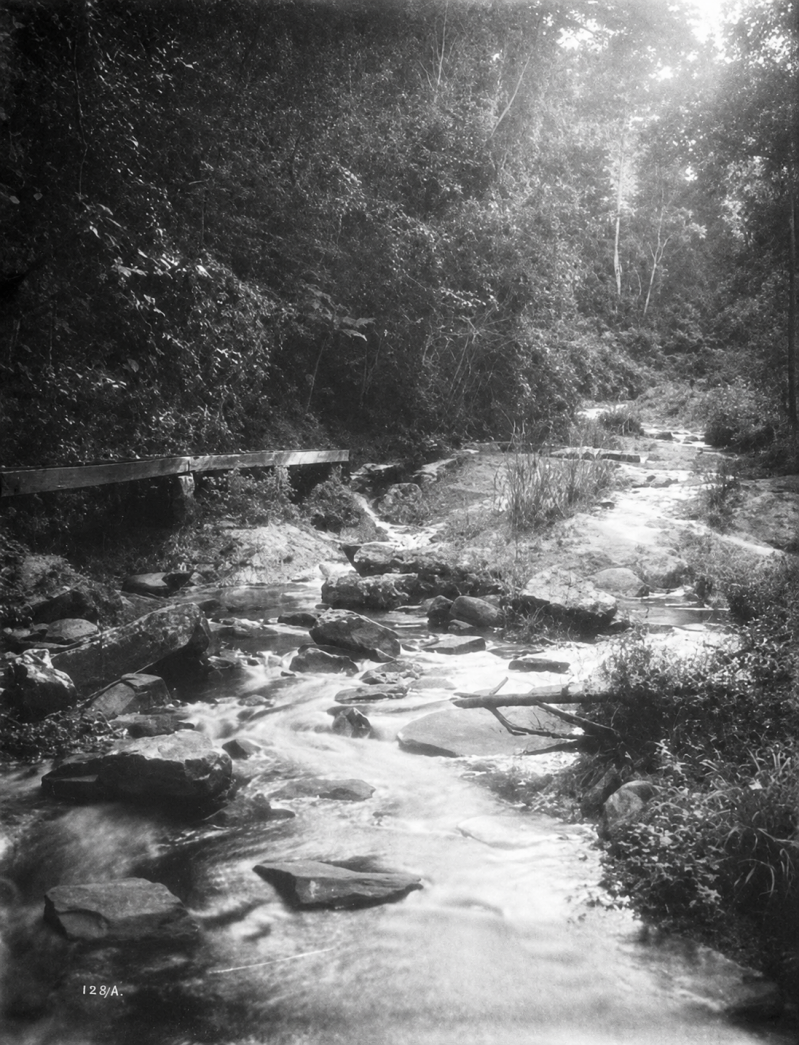
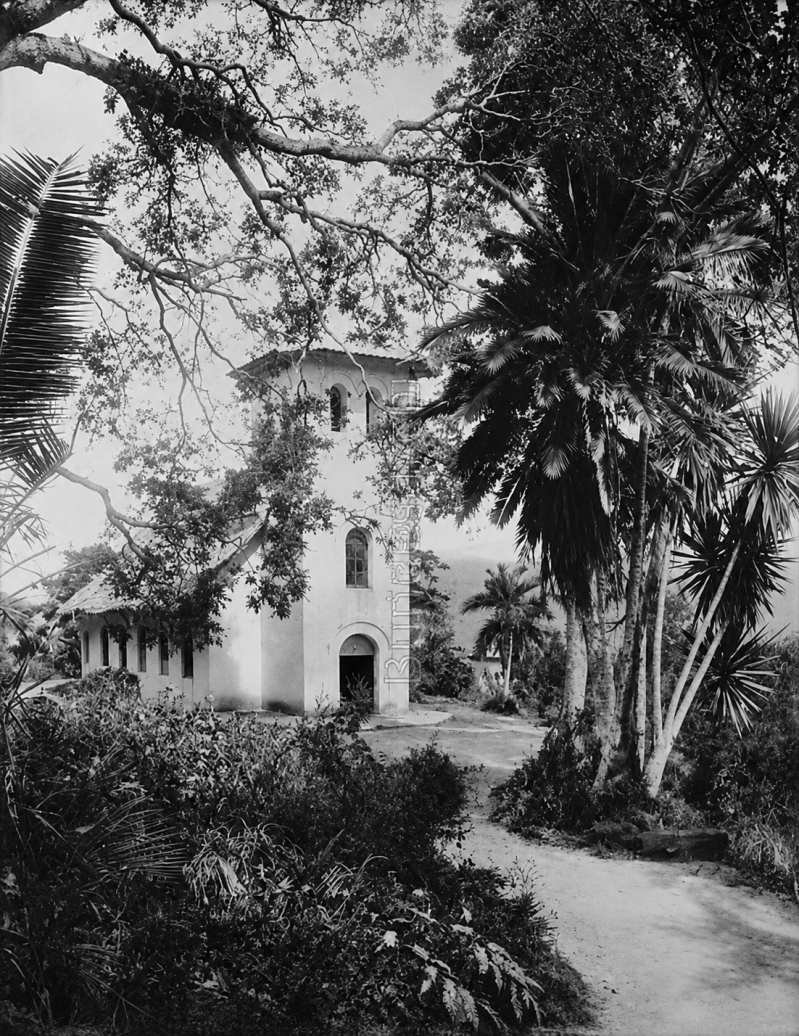
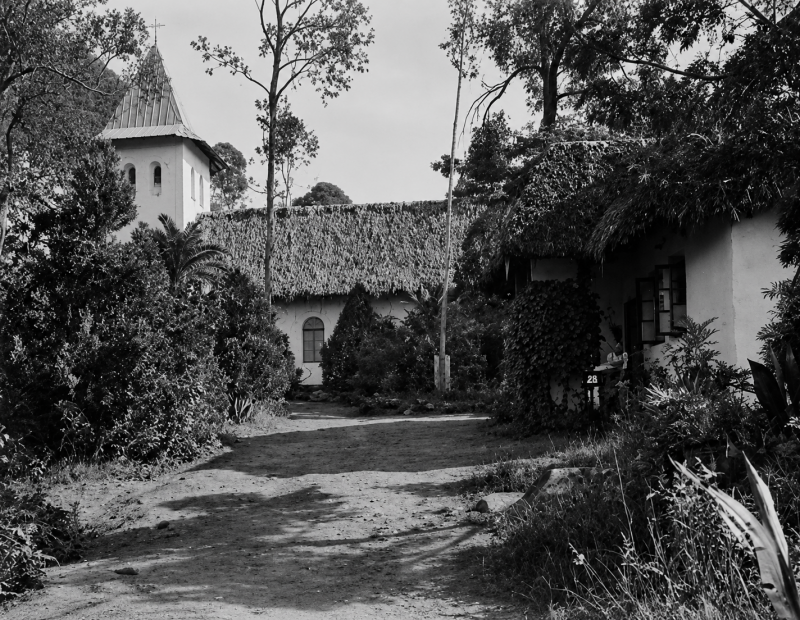
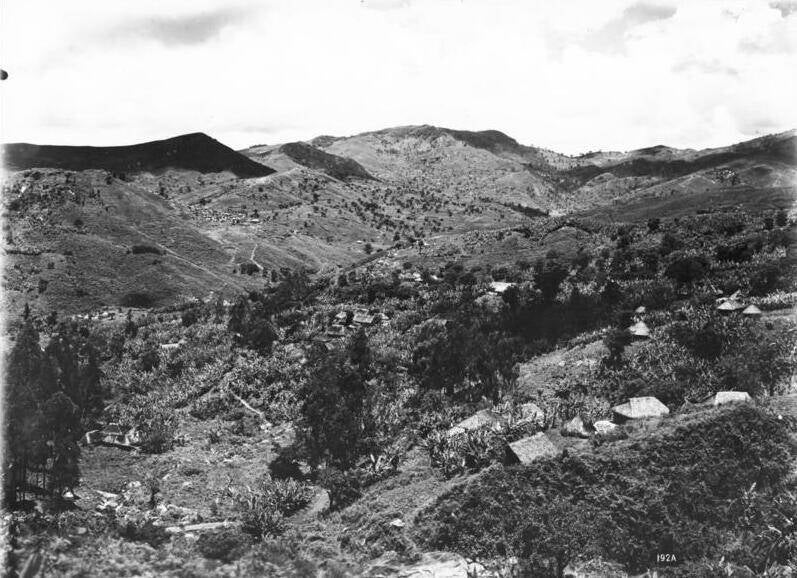
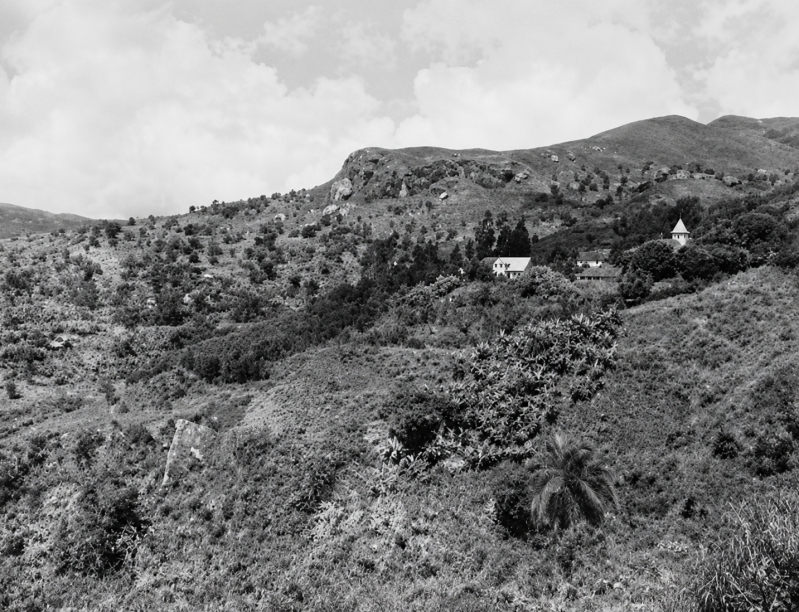
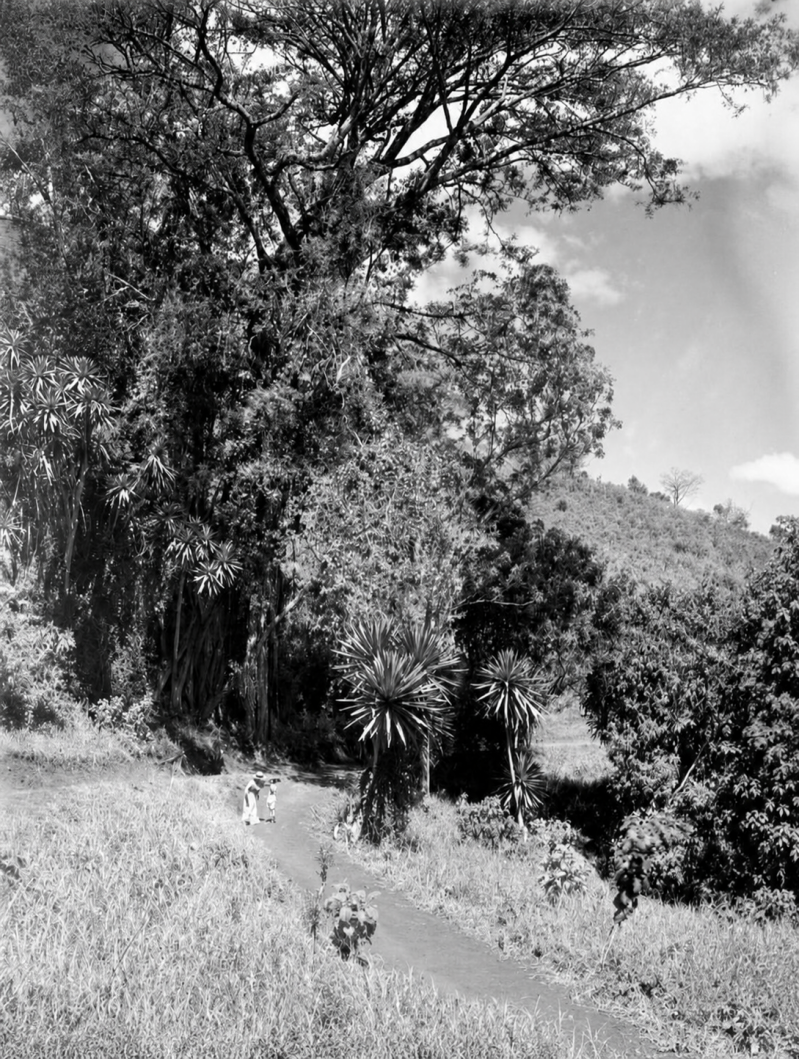
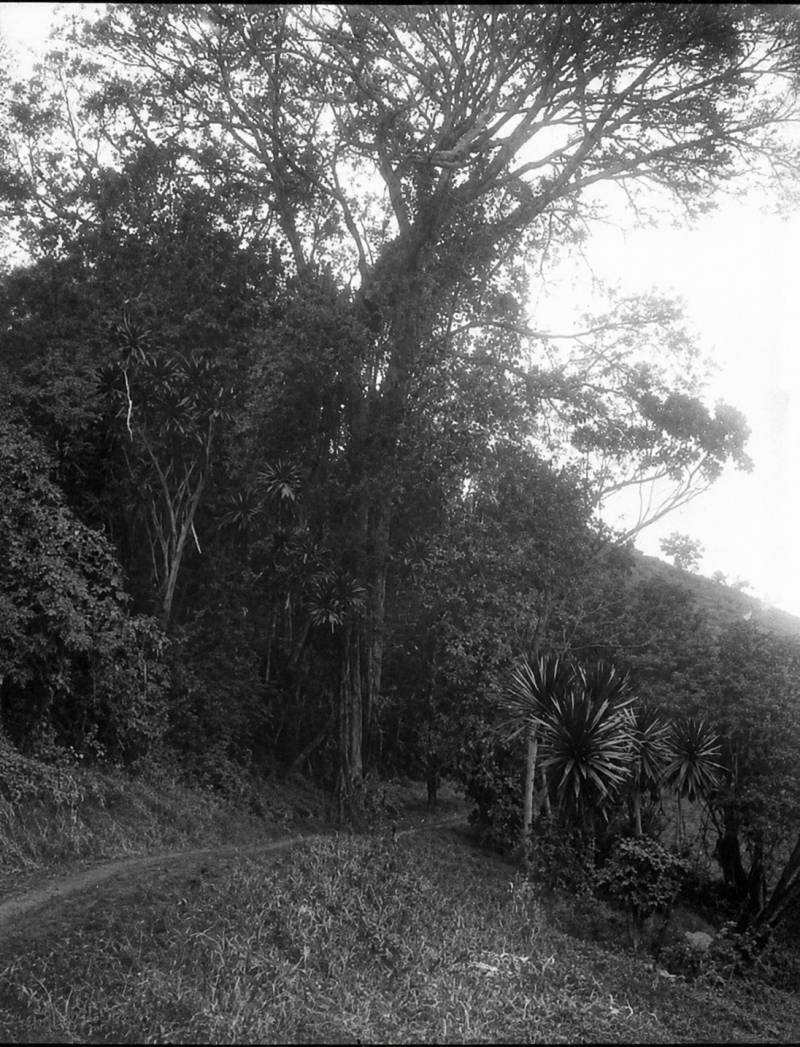
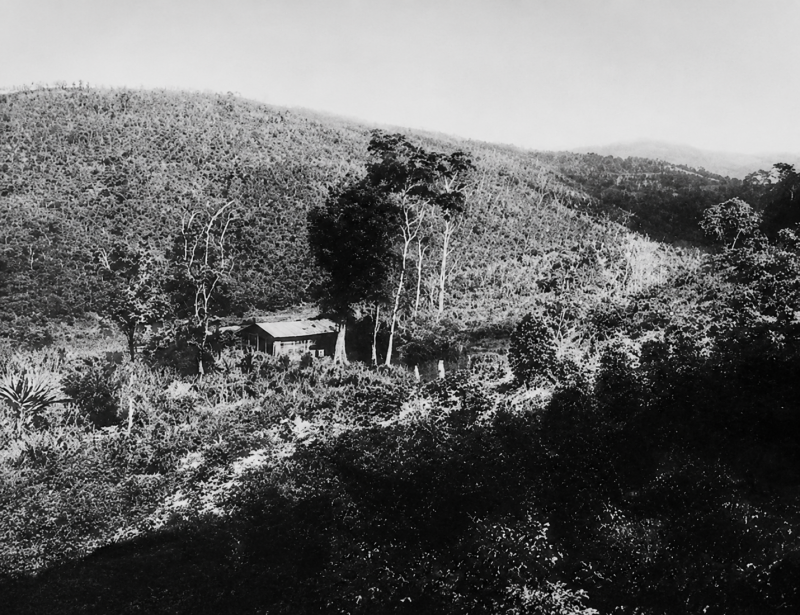
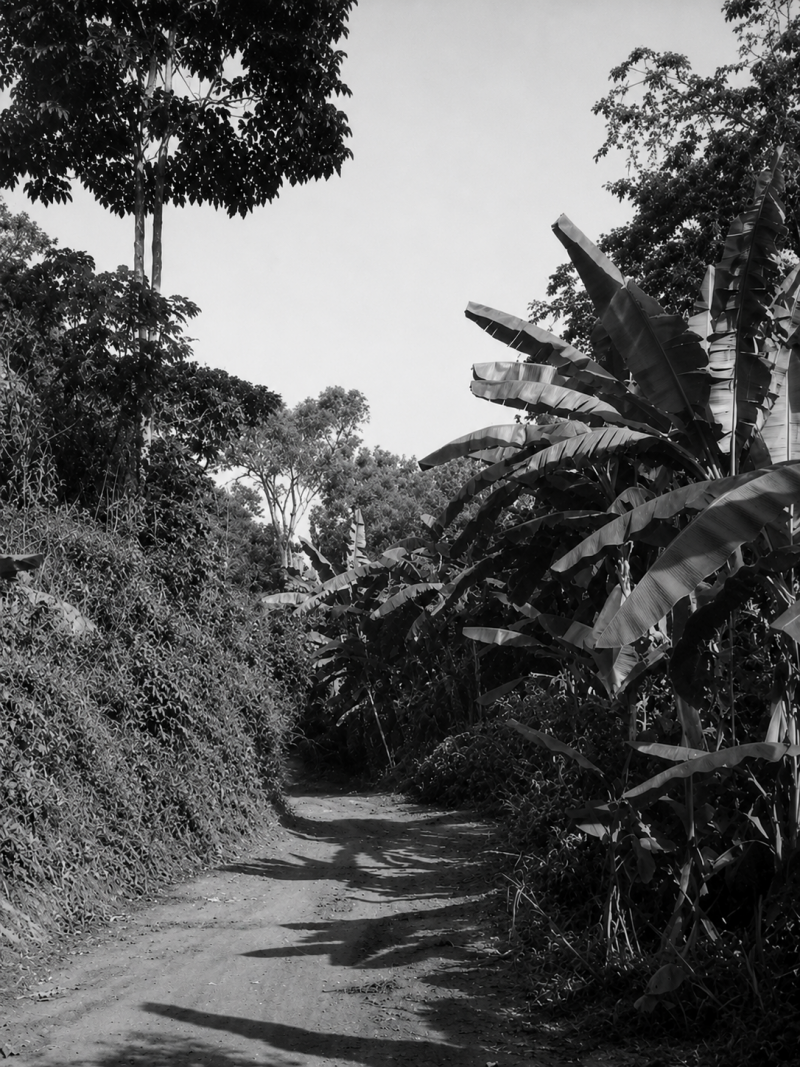
(c) Bundesarchiv ca. 1906/1914 aus Nachlass Walther Dobbertin, Bilder bearbeitet und aufbereitet
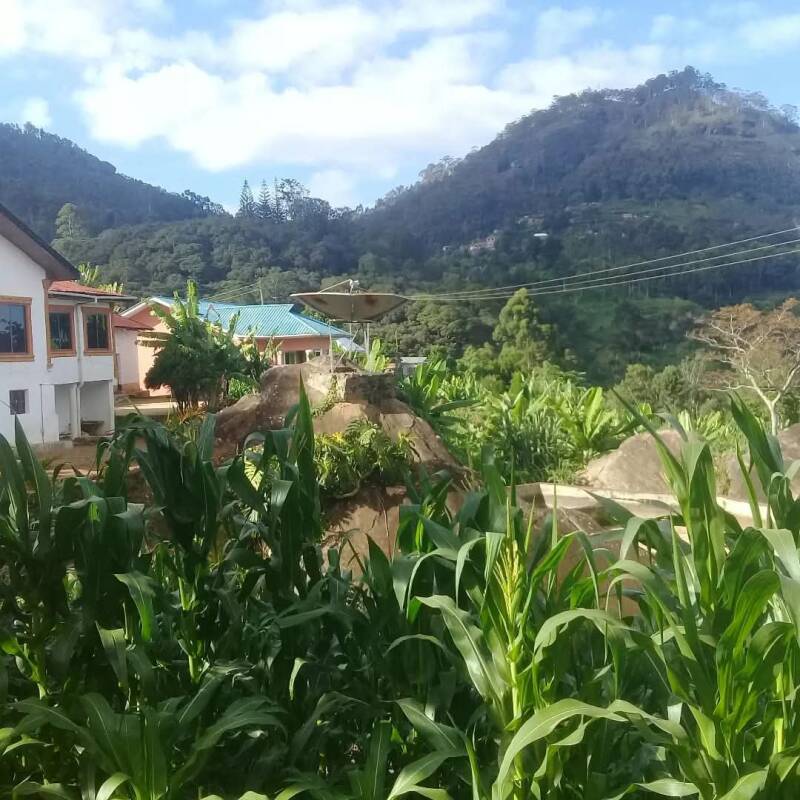
Die deutsche Kolonialverwaltung nutzte die Region außerdem für Landwirtschaftsprojekte. Wälder wurden gerodet, um Plantagen anzulegen. Der Maisanbau nahm deutlich zu und veränderte langfristig das Landschaftsbild. Historische Fotografien aus den 1910er Jahren zeigen bereits große Missionsgebäude, Bananenplantagen und landwirtschaftliche Nutzflächen rund um Hohenfriedeberg.
Gleichzeitig war die Kolonialzeit von Ungleichheit geprägt. Die afrikanische Bevölkerung musste Abgaben leisten und stand unter kolonialer Kontrolle. Viele kulturelle Traditionen wurden von Missionaren als „heidnisch“ angesehen. Dennoch entwickelte sich Mlalo zu einem wichtigen Bildungszentrum in den Bergen.
Erster Weltkrieg und britische Mandatszeit (1918–1961)
Der Erste Weltkrieg bedeutete einen tiefen Einschnitt. Britische Truppen übernahmen die Kontrolle über Deutsch-Ostafrika. Die meisten deutschen Missionare wurden ausgewiesen. Die Missionsarbeit brach zunächst zusammen. Interessanterweise führte diese Phase aber auch dazu, dass afrikanische Pastoren mehr Verantwortung übernahmen. Damit begann eine stärkere „Afrikanisierung“ des Christentums in der Region.
Unter britischer Verwaltung erhielt die Region neue Straßenverbindungen. Der Name Hohenfriedeberg verschwand allmählich und die ursprüngliche Bezeichnung Mlalo setzte sich wieder durch. Landwirtschaft blieb der wichtigste Wirtschaftszweig. Gleichzeitig entstanden weitere Schulen und medizinische Einrichtungen.
In den 1930er Jahren entwickelte sich Mlalo zu einem regionalen Zentrum protestantischer Kirchenmusik und Bildung. Kirchliche Veranstaltungen mit Hunderten Sängerinnen und Sängern fanden statt. Schulen wie die Lwandai Secondary School entstanden später aus diesen missionarischen Bildungsstrukturen.
Unabhängigkeit Tansanias und Entwicklung seit 1961
Mit der Unabhängigkeit Tanganjikas 1961 und der späteren Gründung Tansanias begann eine neue nationale Phase. Die Regierung unter Julius Nyerere setzte auf Bildung, ländliche Entwicklung und nationale Einheit. In Mlalo blieb die Landwirtschaft zentral, doch viele Menschen zogen zunehmend in größere Städte.
Die Region behielt ihre Bedeutung für Bildung und Kirche. Partnerschaften mit Schulen und Gemeinden aus Deutschland entstanden seit den 1980er Jahren erneut – diesmal nicht mehr kolonial, sondern als Austauschprogramme. Besonders die Partnerschaft zwischen Göttingen und der Lwandai Secondary School machte Mlalo international bekannt.
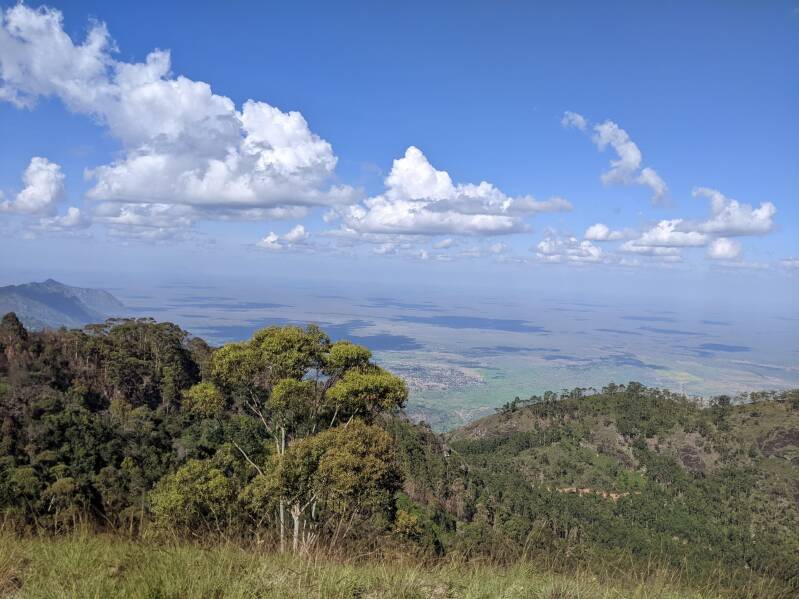
Gleichzeitig wurden Umweltprobleme sichtbar. Die Rodungen aus kolonialer Zeit sowie Bevölkerungswachstum führten zu Bodenerosion und Waldverlust. Wissenschaftliche Studien beschäftigten sich deshalb intensiv mit den ökologischen Veränderungen im Mlalo-Becken.
Mlalo heute
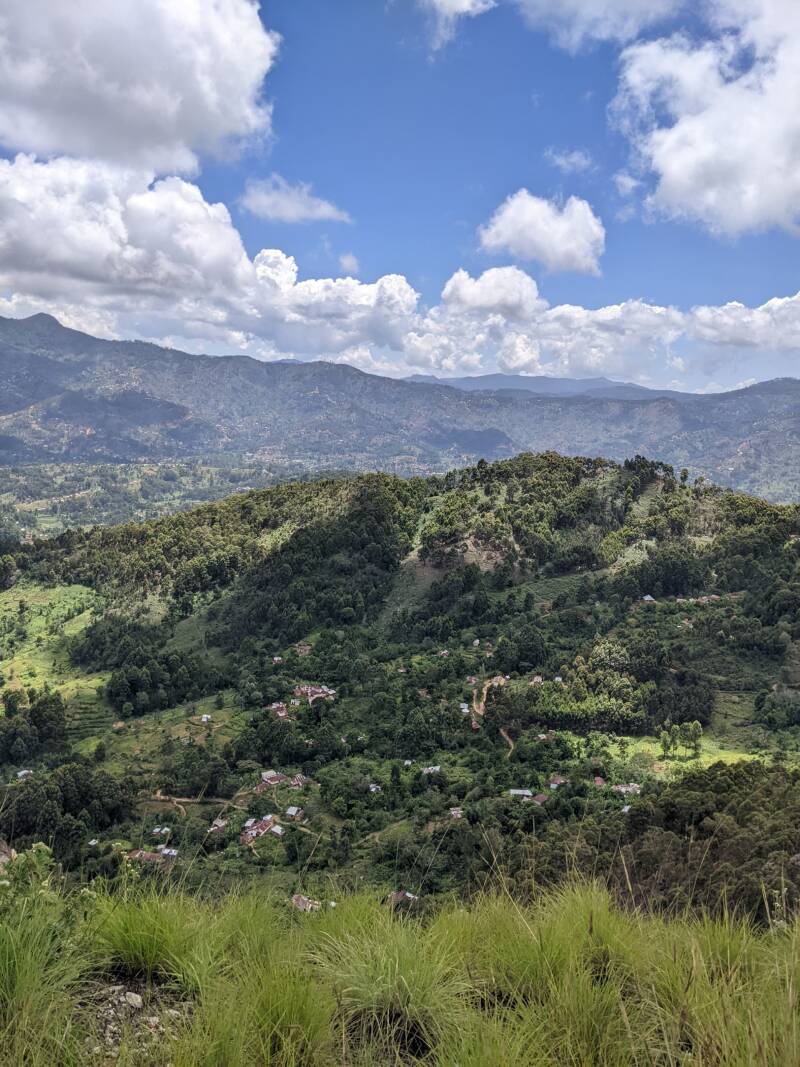
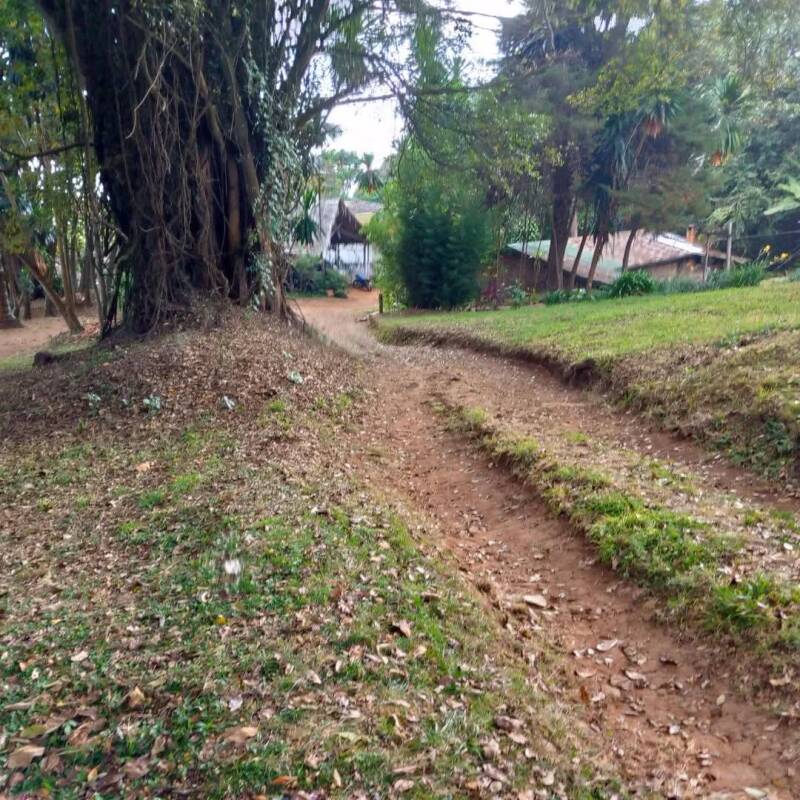
Heute ist Mlalo eine lebendige Kleinstadt mit mehreren tausend Einwohnern. Die Region lebt weiterhin hauptsächlich von Landwirtschaft, kleineren Märkten, Handel und Bildungseinrichtungen. Angebaut werden unter anderem Mais, Bohnen, Kartoffeln, Gemüse und Bananen.
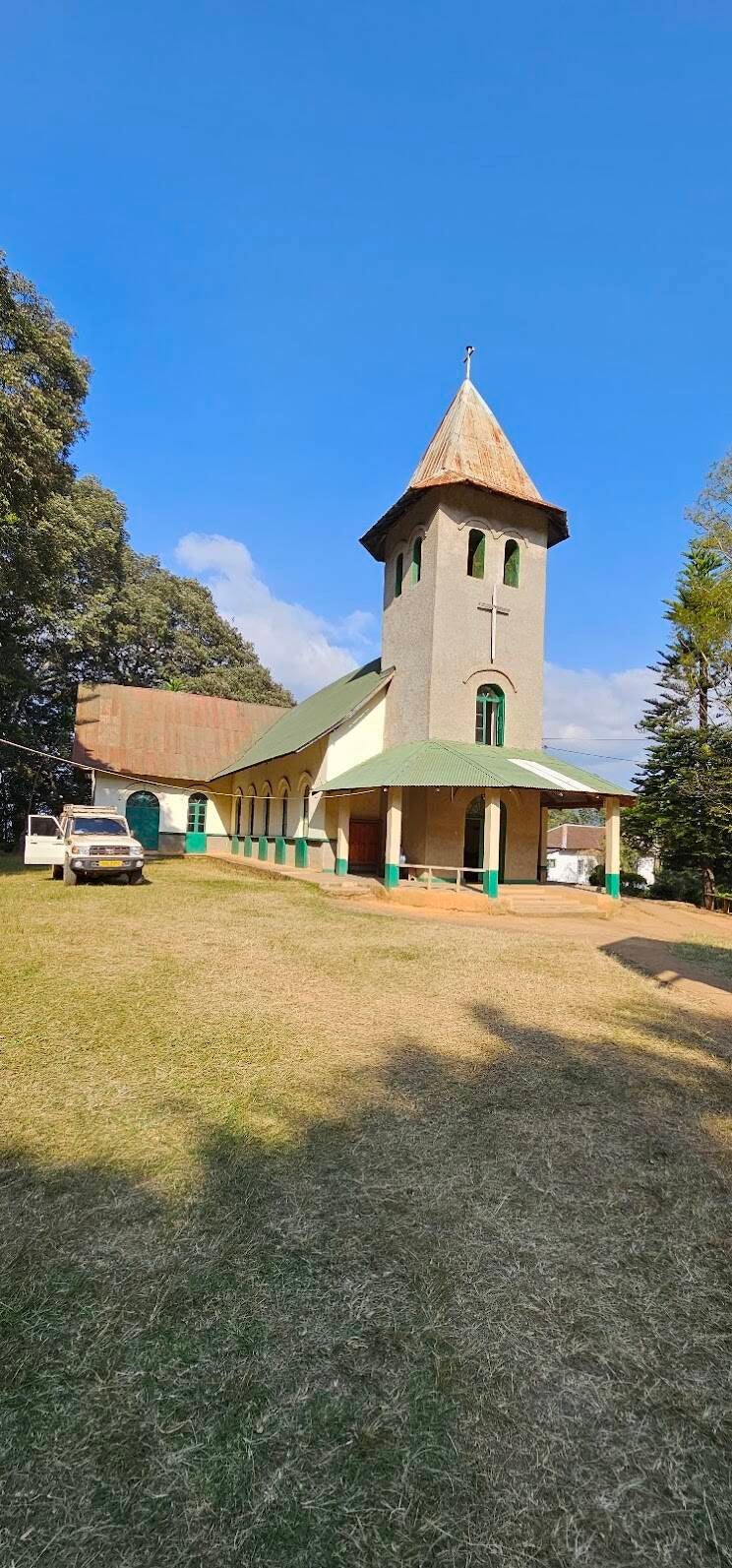
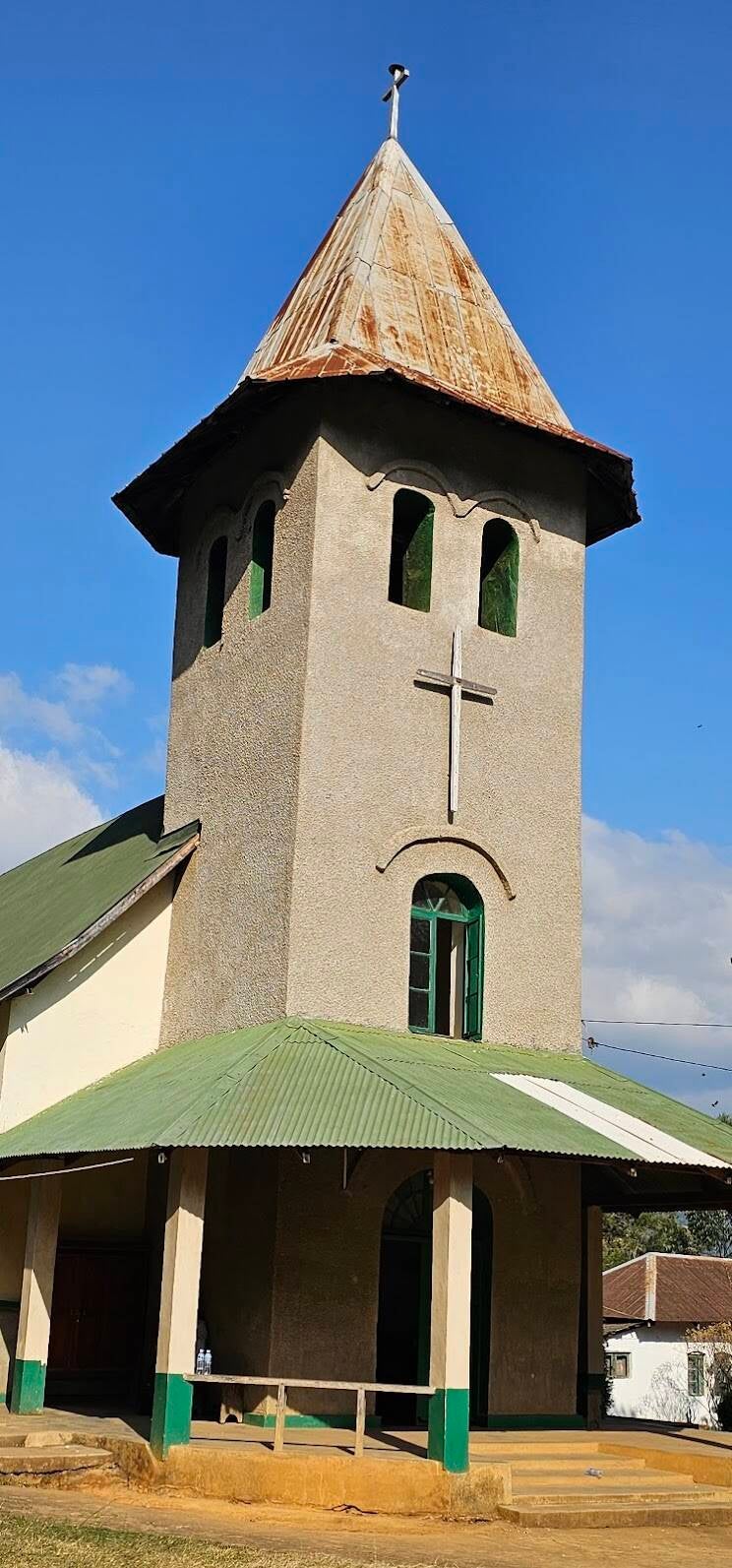
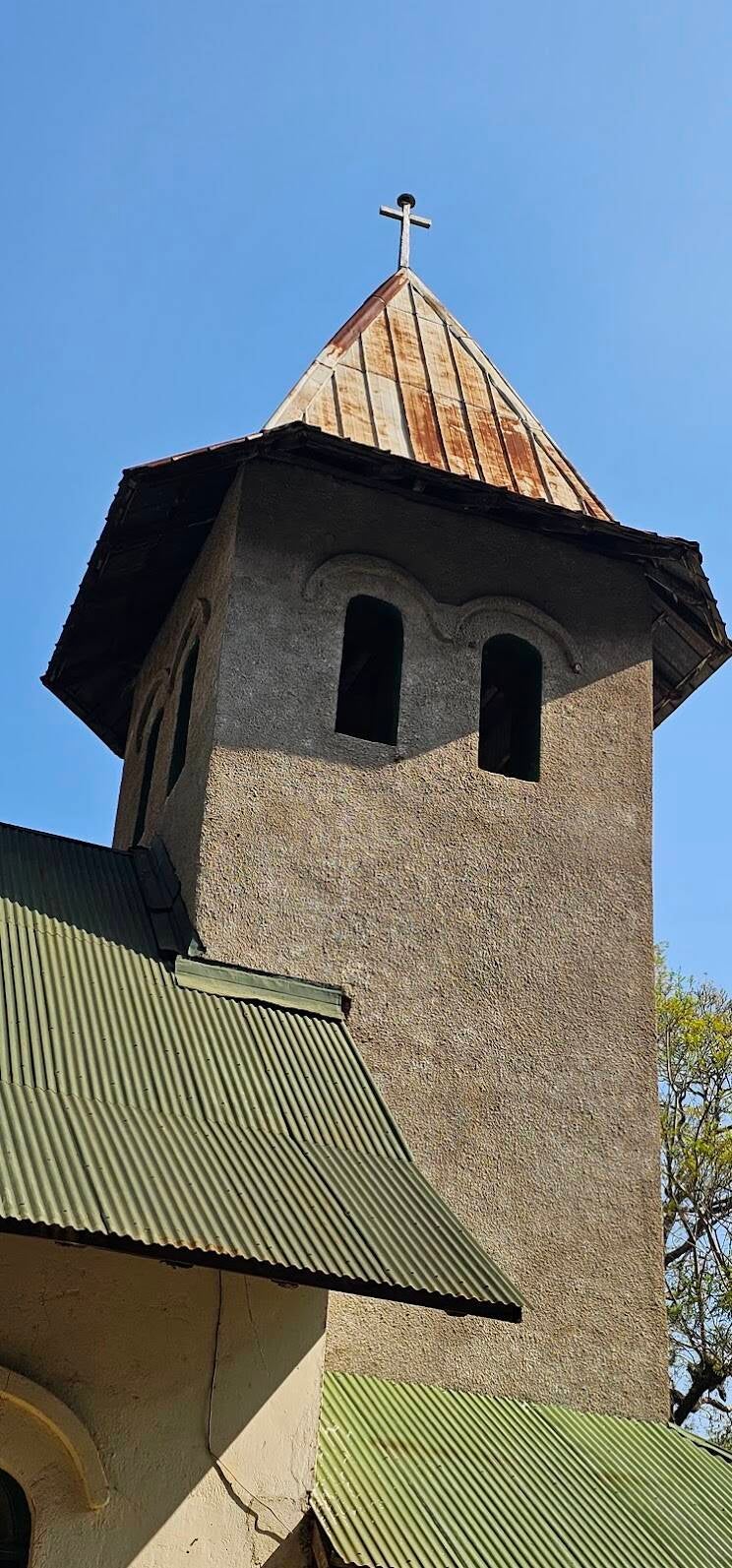
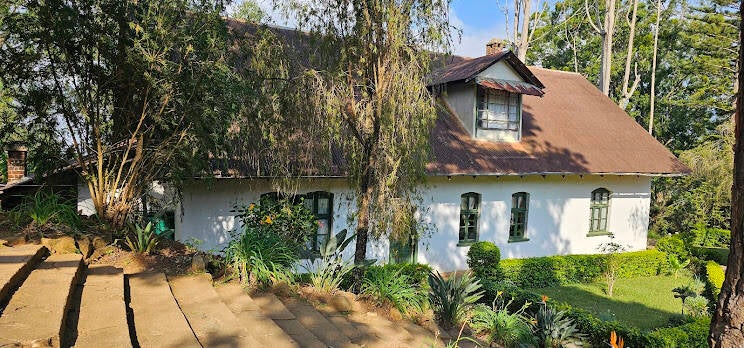
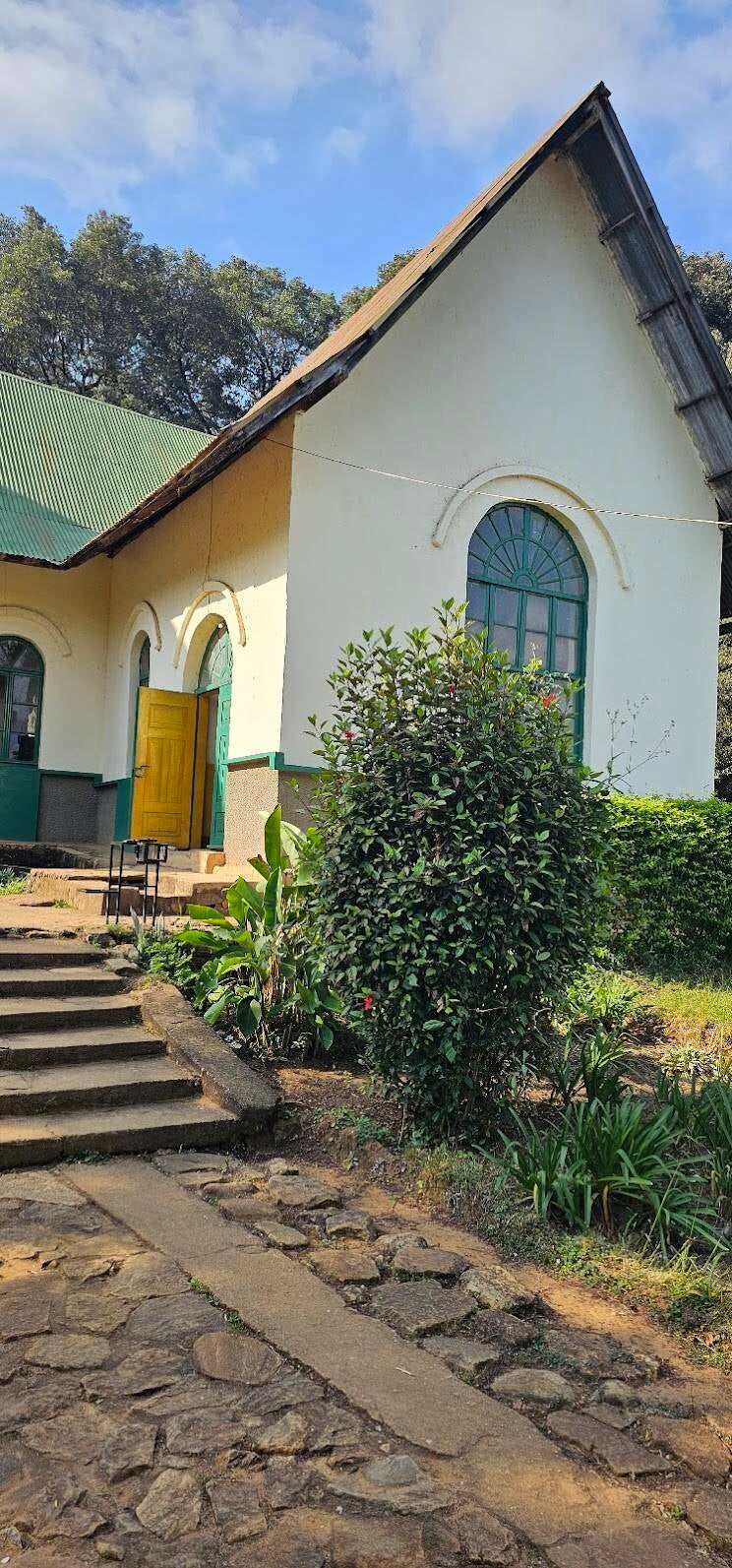
Die historische Missionskirche aus der Kolonialzeit existiert noch immer und prägt das Ortsbild. Sie erinnert an die komplizierte Verbindung zwischen Mission, Bildung und Kolonialgeschichte. Viele Einwohner sehen diese Geschichte heute differenziert: Einerseits brachte die Mission Schulen und medizinische Versorgung, andererseits war sie eng mit kolonialem Einfluss verbunden.
Auch kulturell besitzt Mlalo weiterhin große Bedeutung. Traditionelle Shambaa-Rituale, Musik und Erzählungen werden vielerorts bewahrt. Historische Familienlinien ehemaliger Häuptlinge spielen noch immer eine Rolle im kulturellen Gedächtnis der Region.
Zukunftsperspektiven von Mlalo
Die Zukunft Mlalos hängt stark davon ab, wie erfolgreich die Region Bildung, Umweltschutz und wirtschaftliche Entwicklung verbinden kann.
1. Nachhaltiger Tourismus
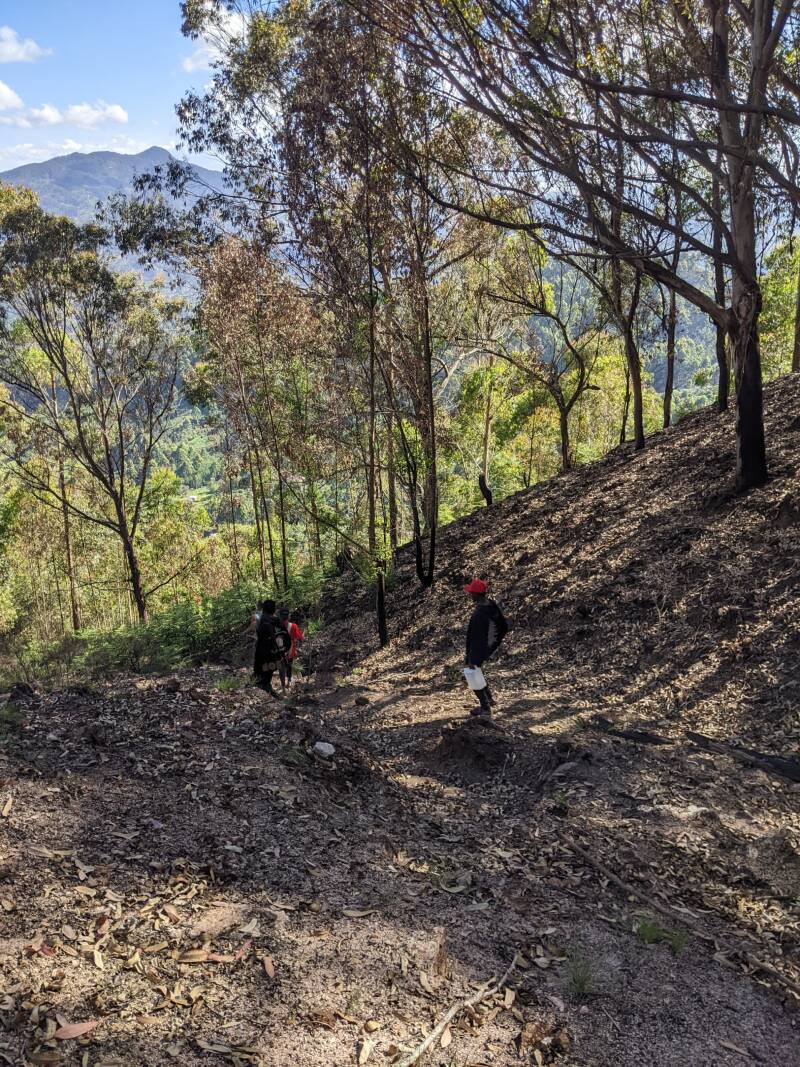
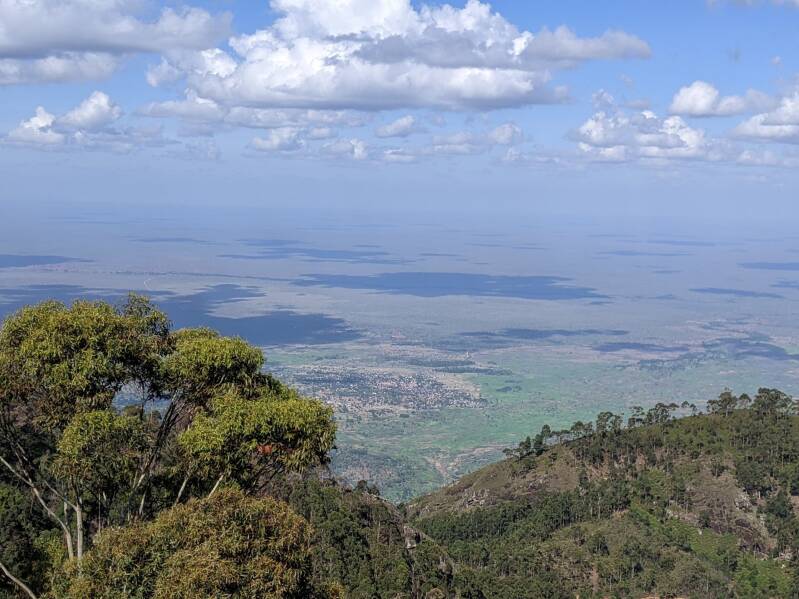
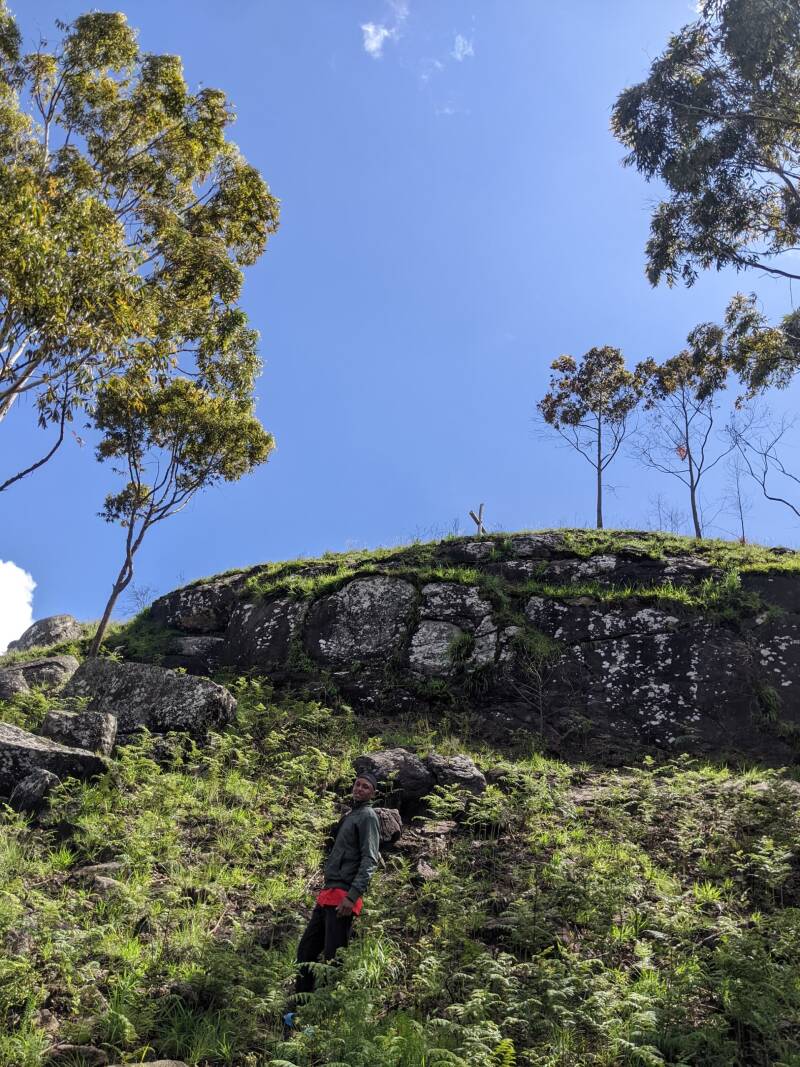
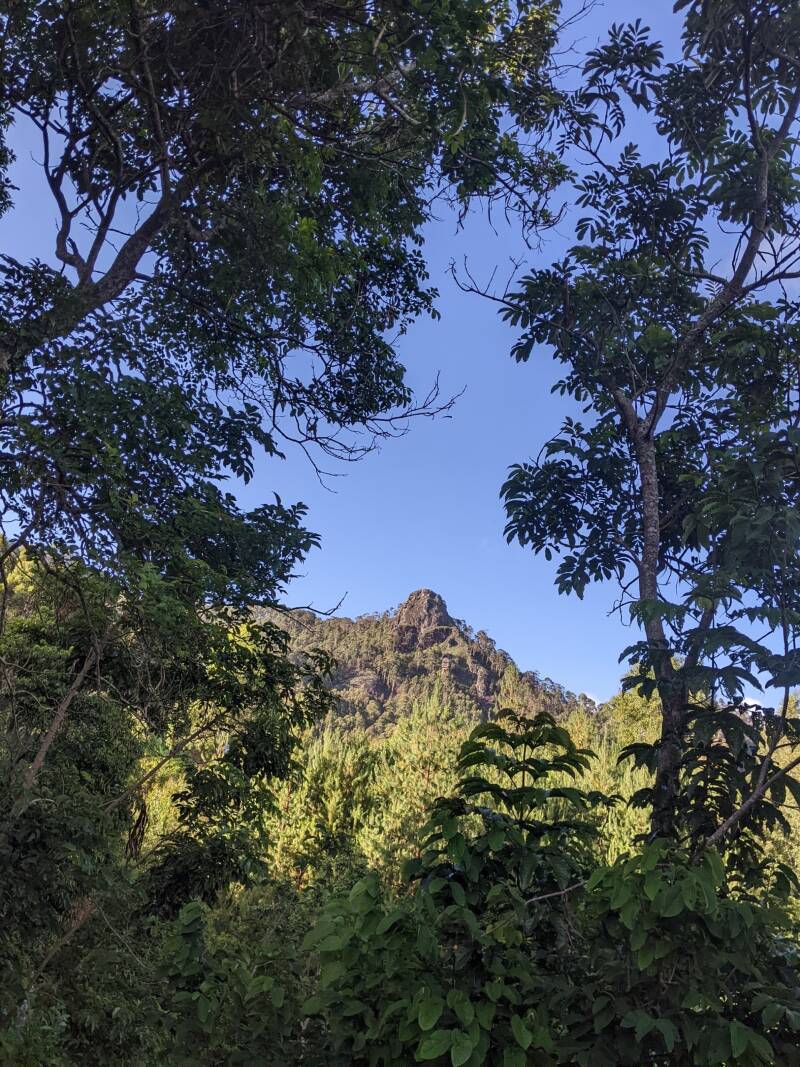
Die Usambaraberge gehören zu den landschaftlich schönsten Regionen Tansanias. Wanderungen, kultureller Tourismus und historische Missionseinrichtungen könnten Mlalo stärker international bekannt machen. Besonders europäische Besucher interessieren sich zunehmend für die koloniale Geschichte und die einzigartige Natur der Region.
2. Bildung und Jugend
Schulen und kirchliche Bildungseinrichtungen bleiben ein großer Vorteil Mlalos. Viele junge Menschen hoffen auf bessere Ausbildungs- und Studienmöglichkeiten. Digitale Bildung und bessere Infrastruktur könnten die Region langfristig stärken.
3. Umweltschutz
Die größte Herausforderung bleibt der Schutz der Wälder und Böden. Aufforstungsprojekte und nachhaltige Landwirtschaft gewinnen deshalb an Bedeutung. Schon seit den 1970er Jahren gibt es Initiativen zur Wiederaufforstung der Usambara-Berge.
4. Bewahrung der Kultur
Viele Menschen in Mlalo bemühen sich heute darum, traditionelle Shambaa-Kultur mit moderner Entwicklung zu verbinden. Historische Orte, Rituale und Geschichten könnten künftig stärker dokumentiert und kulturell genutzt werden.
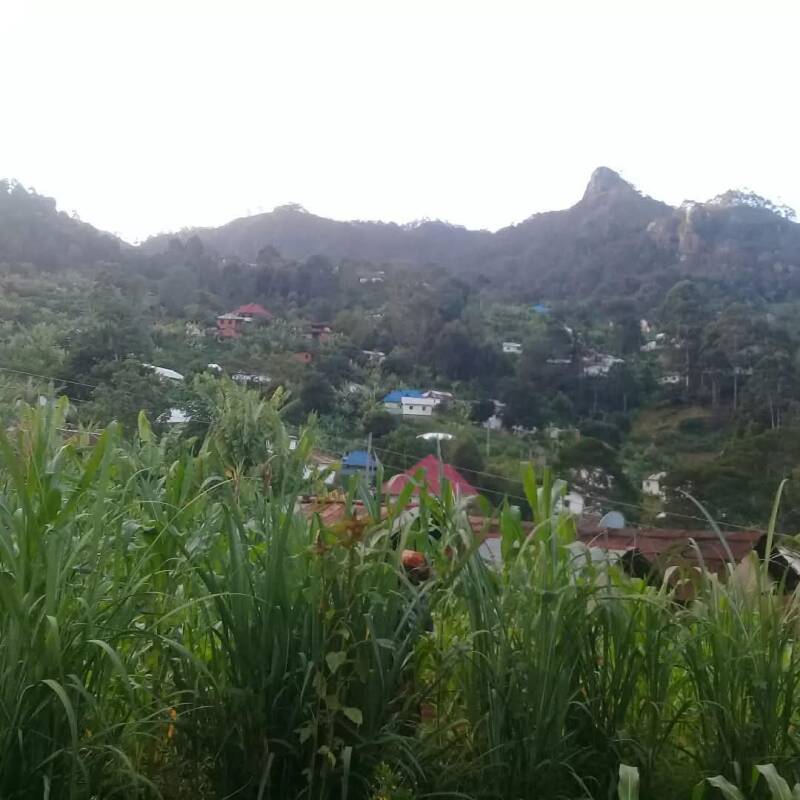
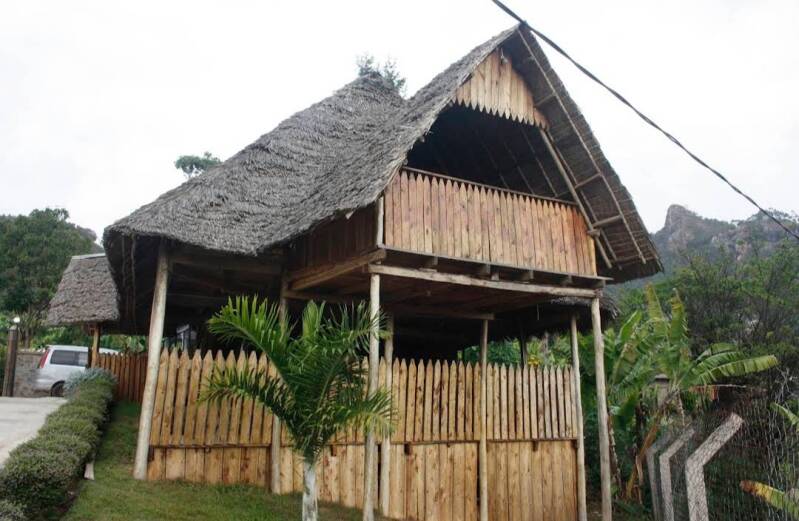
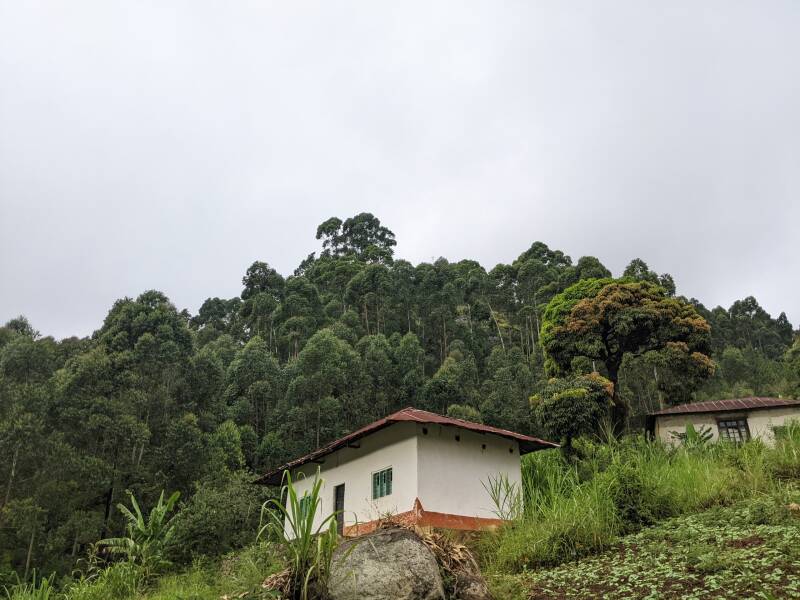
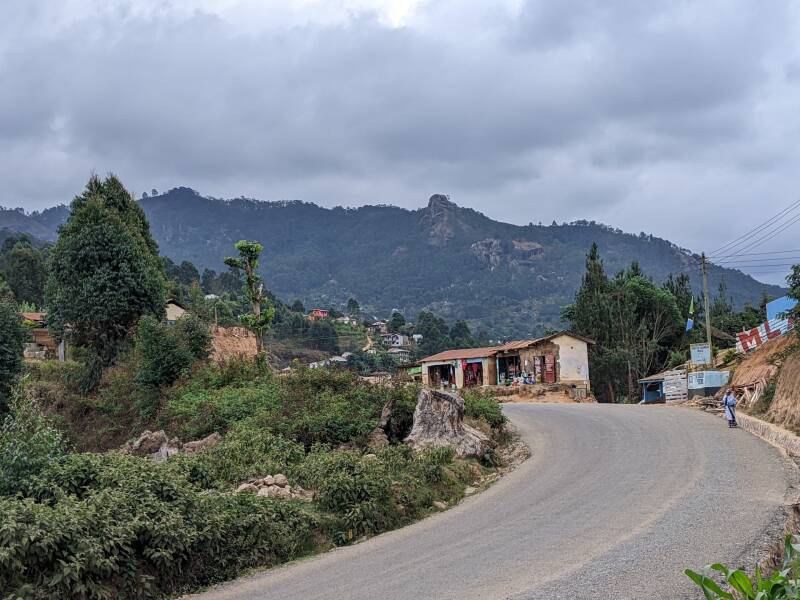
(c) Joseph Jackson Gome
Fazit
Mlalo ist weit mehr als ein kleines Bergdorf in Tansania. Die Geschichte des Ortes verbindet afrikanische Tradition, deutsche Kolonialgeschichte, christliche Mission, ökologische Veränderungen und moderne Entwicklungsfragen. Als ehemaliges Hohenfriedeberg steht Mlalo beispielhaft für die komplexen Beziehungen zwischen Europa und Ostafrika. Heute versucht die Region, ihre Vergangenheit kritisch zu bewahren und gleichzeitig neue Perspektiven für Bildung, Umwelt und kulturelle Identität zu schaffen.
🇬🇧 Mlalo is a historic settlement in the western Usambara Mountains in northeastern Tanzania. Today, Mlalo is regarded as a cultural and historical center of Shambaa society as well as an important site in the missionary history of East Africa. During the German colonial period, the town bore the name “Hohenfriedeberg.” The history of Mlalo is shaped by pre-colonial traditions, colonial influence, missionary activity, changes in agriculture, and the attempt to combine a modern future with cultural identity.
Mlalo before the Colonial Period – until around 1885 Long before European colonial powers arrived in East Africa, Mlalo was already an important settlement area of the WaShambaa, a people of the Shambaa culture. The fertile soils of the Usambara Mountains and the comparatively cool climate made the region an important agricultural center. The people lived mainly from banana cultivation, millet, beans, livestock farming, and local trade routes.
Society was strongly organized around traditional structures. Local chiefs and spiritual leaders regulated political and religious affairs. Historical places such as Kitala were considered centers of political consultation and spiritual power. Even today, traditional stone structures and ritual houses recall this period.
The region was characterized by terrace farming and complex irrigation systems. Even before the colonial period, the inhabitants had learned how to use the steep mountain terrain sustainably. This knowledge later impressed European explorers and colonial officials.
German Colonial Period – Hohenfriedeberg (1885–1918) With the establishment of German East Africa, a new era began for Mlalo. The Germans were particularly interested in the climatically pleasant highlands of the Usambara Mountains. The town received the German name “Hohenfriedeberg,” modeled after the Silesian town of the same name.
In 1891, the missionaries Ernst Johanssen and Paul Wohlrab founded the Hohenfriedeberg mission station there. This station quickly developed into a center of Christian missionary work, education, and medical care. The missionaries deliberately wanted to work without military protection in order to build trust with the local population.
With the mission came schools, printing presses, and the first medical facilities. Children learned to read and write in Kiswahili and the Shambaa language. Even before the First World War, several thousand children were already being educated in mission schools. At the same time, the mission strongly changed social life: Christianity, European clothing, and new lifestyles partly displaced traditional rituals.
The German colonial administration also used the region for agricultural projects. Forests were cleared to establish plantations. Maize cultivation increased significantly and permanently changed the landscape. Historical photographs from the 1910s already show large mission buildings, banana plantations, and agricultural areas surrounding Hohenfriedeberg.
At the same time, the colonial period was marked by inequality. The African population had to pay taxes and was subject to colonial control. Many cultural traditions were regarded by missionaries as “pagan.” Nevertheless, Mlalo developed into an important educational center in the mountains.
First World War and British Mandate Period (1918–1961) The First World War marked a deep turning point. British troops took control of German East Africa. Most German missionaries were expelled. Missionary work initially collapsed. Interestingly, however, this phase also led to African pastors taking on more responsibility. This marked the beginning of a stronger “Africanization” of Christianity in the region.
Under British administration, the region received new road connections. The name Hohenfriedeberg gradually disappeared, and the original name Mlalo became established again. Agriculture remained the most important economic sector. At the same time, additional schools and medical facilities were established.
In the 1930s, Mlalo developed into a regional center of Protestant church music and education. Church events with hundreds of singers took place there. Schools such as Lwandai Secondary School later emerged from these missionary educational structures.
Independence of Tanzania and Development since 1961 With the independence of Tanganyika in 1961 and the later founding of Tanzania, a new national phase began. The government under Julius Nyerere focused on education, rural development, and national unity. In Mlalo, agriculture remained central, but many people increasingly moved to larger cities.
The region retained its importance for education and the church. Partnerships with schools and communities from Germany emerged again from the 1980s onward — this time no longer colonial, but as exchange programs. In particular, the partnership between Göttingen and the Lwandai Secondary School made Mlalo internationally known.
At the same time, environmental problems became visible. Deforestation from the colonial era as well as population growth led to soil erosion and forest loss. Scientific studies therefore focused intensively on the ecological changes in the Mlalo Basin.
Mlalo Today Today, Mlalo is a lively small town with several tens of thousands of inhabitants. The region still lives mainly from agriculture, small markets, trade, and educational institutions. Crops include maize, beans, potatoes, vegetables, and bananas.
The historic mission church from the colonial era still exists and shapes the townscape. It serves as a reminder of the complicated relationship between mission work, education, and colonial history. Many residents today view this history in a differentiated way: on the one hand, the mission brought schools and medical care; on the other hand, it was closely connected with colonial influence.
Culturally, Mlalo also continues to hold great importance. Traditional Shambaa rituals, music, and oral storytelling are preserved in many places. Historical family lines of former chiefs still play a role in the cultural memory of the region.
Future Perspectives of Mlalo The future of Mlalo depends heavily on how successfully the region can combine education, environmental protection, and economic development.
1. Sustainable Tourism: The Usambara Mountains are among the most beautiful landscapes in Tanzania. Hiking, cultural tourism, and historic mission facilities could make Mlalo more internationally known. European visitors in particular are increasingly interested in the colonial history and the unique nature of the region.
2. Education and Youth: Schools and church educational institutions remain one of Mlalo’s greatest strengths. Many young people hope for better educational and university opportunities. Digital education and improved infrastructure could strengthen the region in the long term.
3. Environmental Protection: The greatest challenge remains the protection of forests and soils. Reforestation projects and sustainable agriculture are therefore becoming increasingly important. Since the 1970s, initiatives for reforestation in the Usambara Mountains have already existed. (German Historical Museum)
4. Preservation of Culture: Many people in Mlalo today are trying to combine traditional Shambaa culture with modern development. Historical places, rituals, and stories could in the future be more strongly documented and used culturally.
Conclusion Mlalo is far more than a small mountain village in Tanzania. The history of the town combines African tradition, German colonial history, Christian missionary activity, ecological changes, and modern development issues. As the former Hohenfriedeberg, Mlalo stands as an example of the complex relationships between Europe and East Africa. Today, the region is trying to preserve its past critically while at the same time creating new perspectives for education, the environment, and cultural identity.
Kommentar hinzufügen
Kommentare